See How it Works
Watch how AIRWAAV opens your airway and turns your bite into more force, so you breathe easier and push harder when it counts.
BUILT WITH PURPOSE
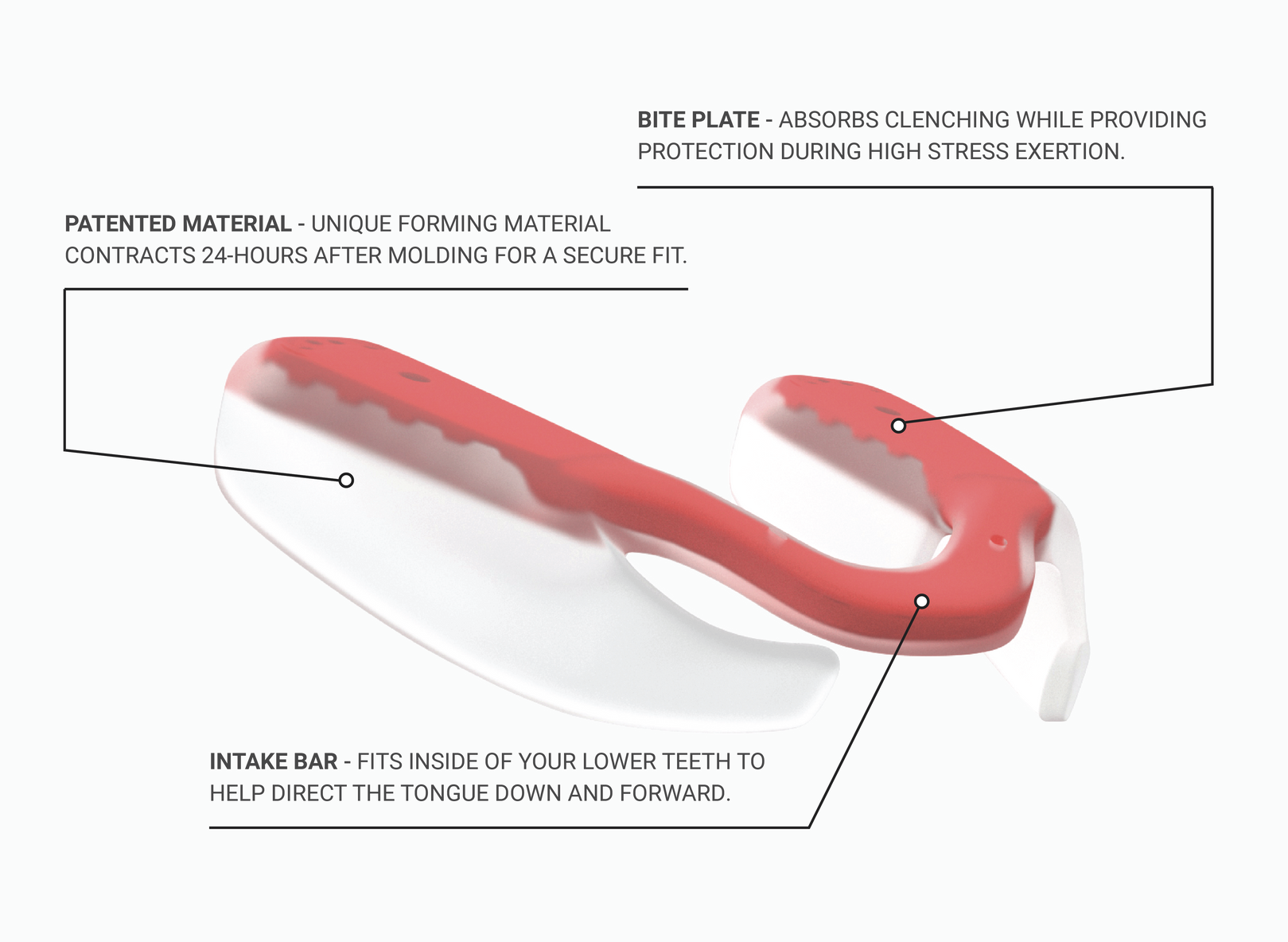
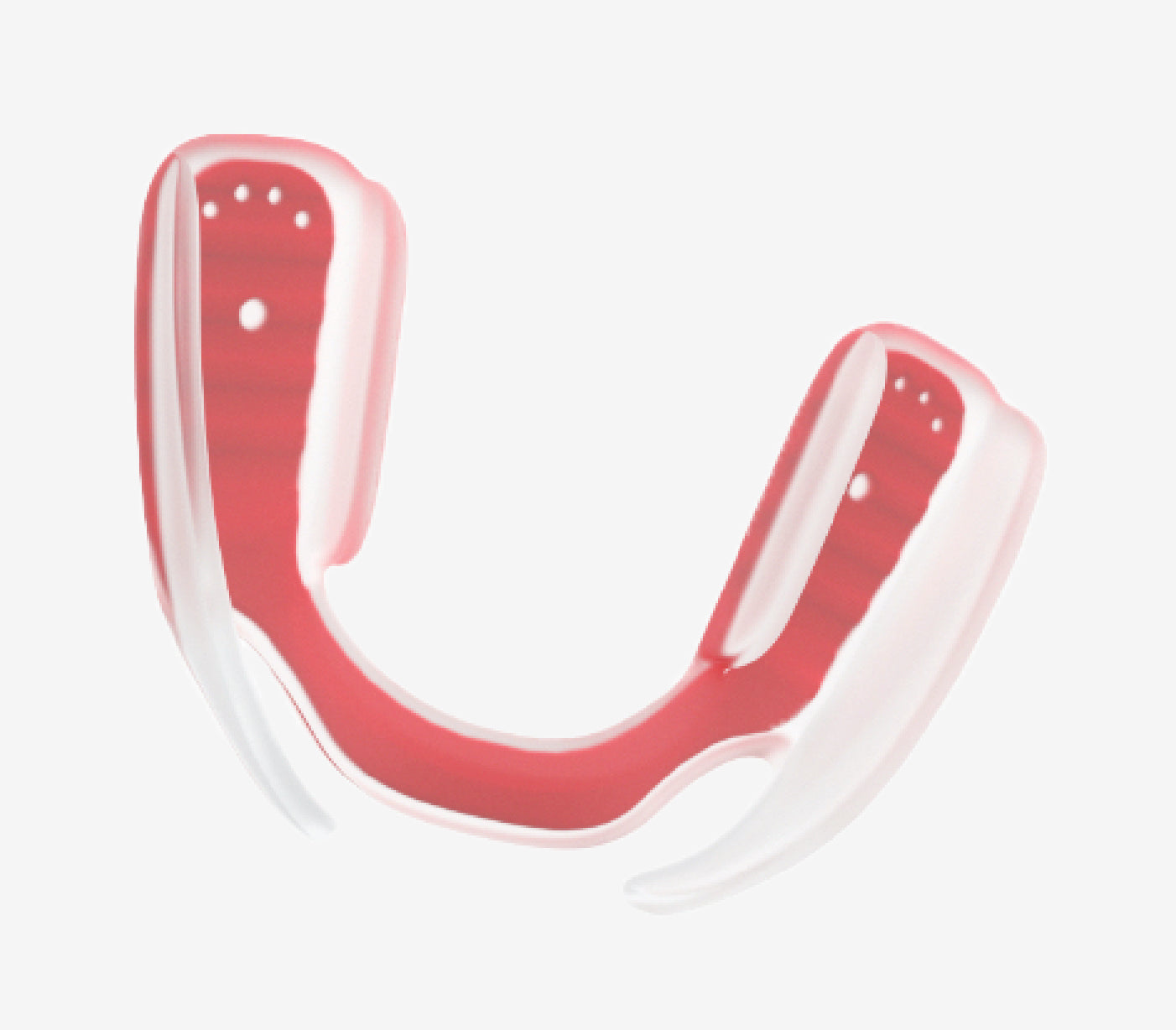
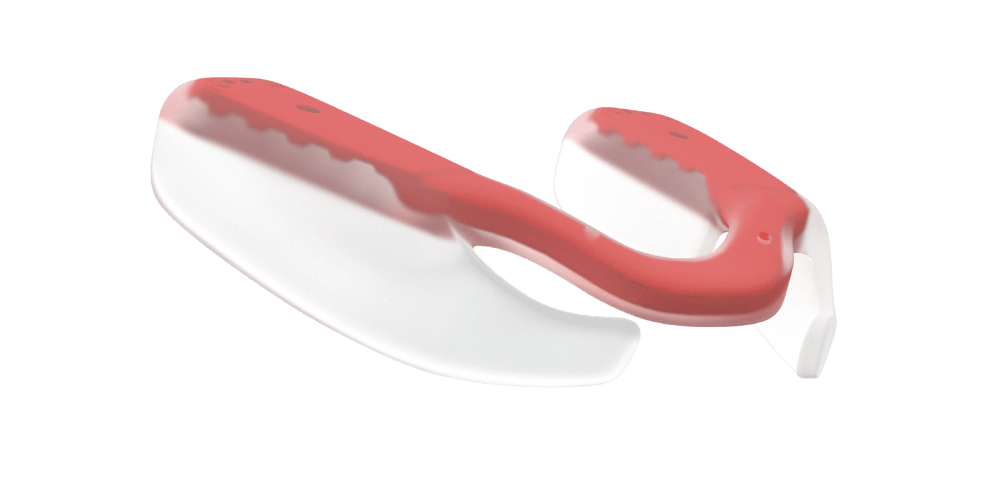
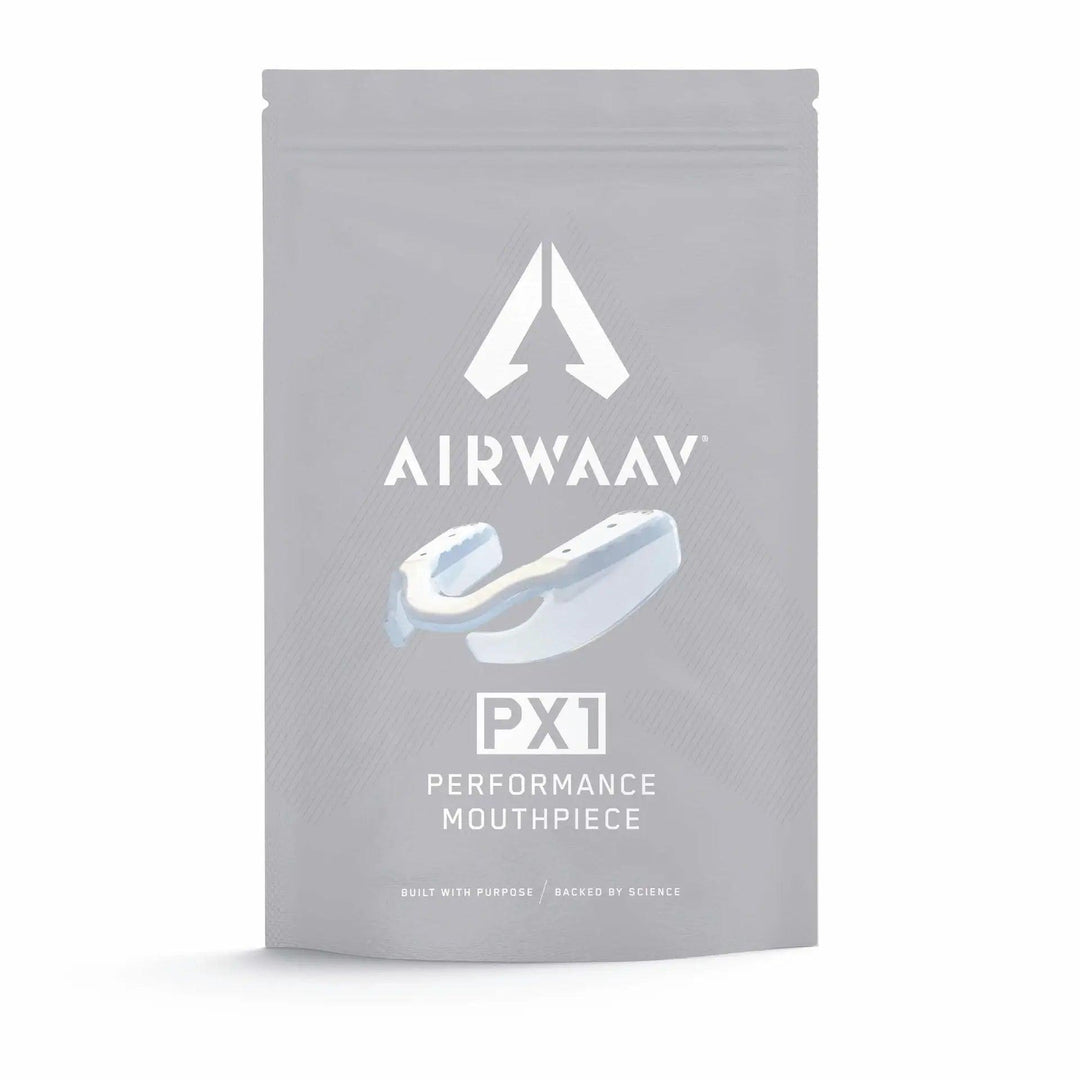
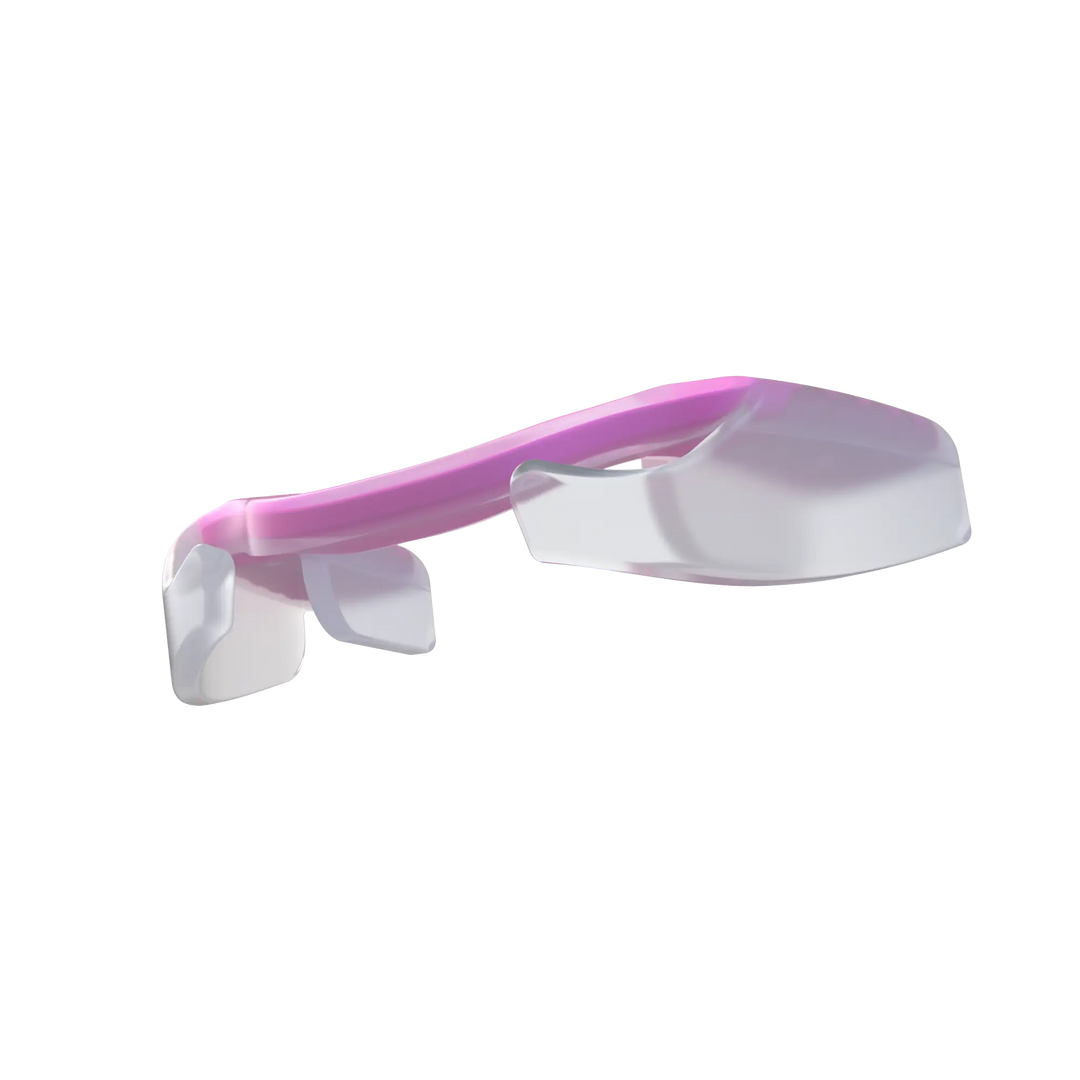
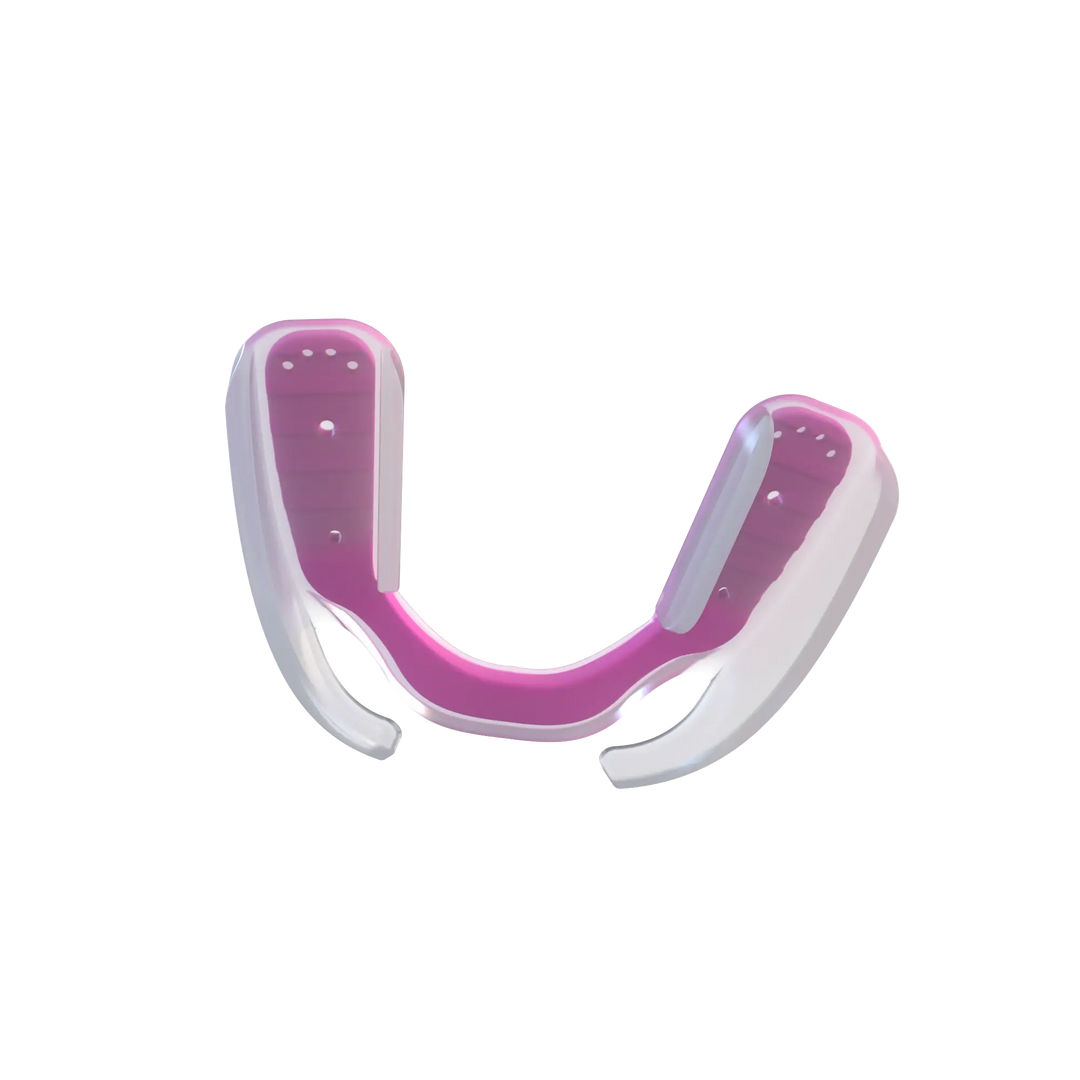
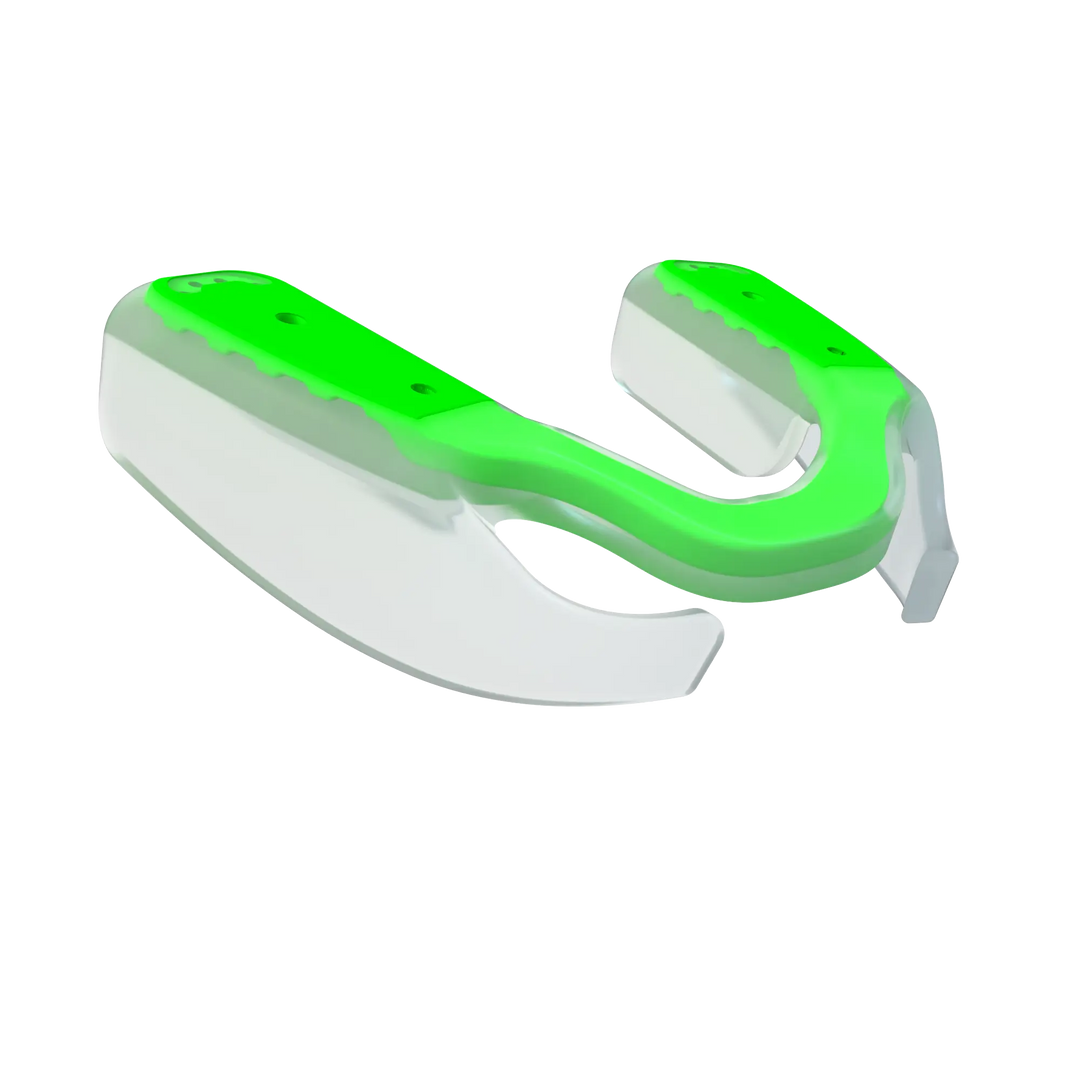
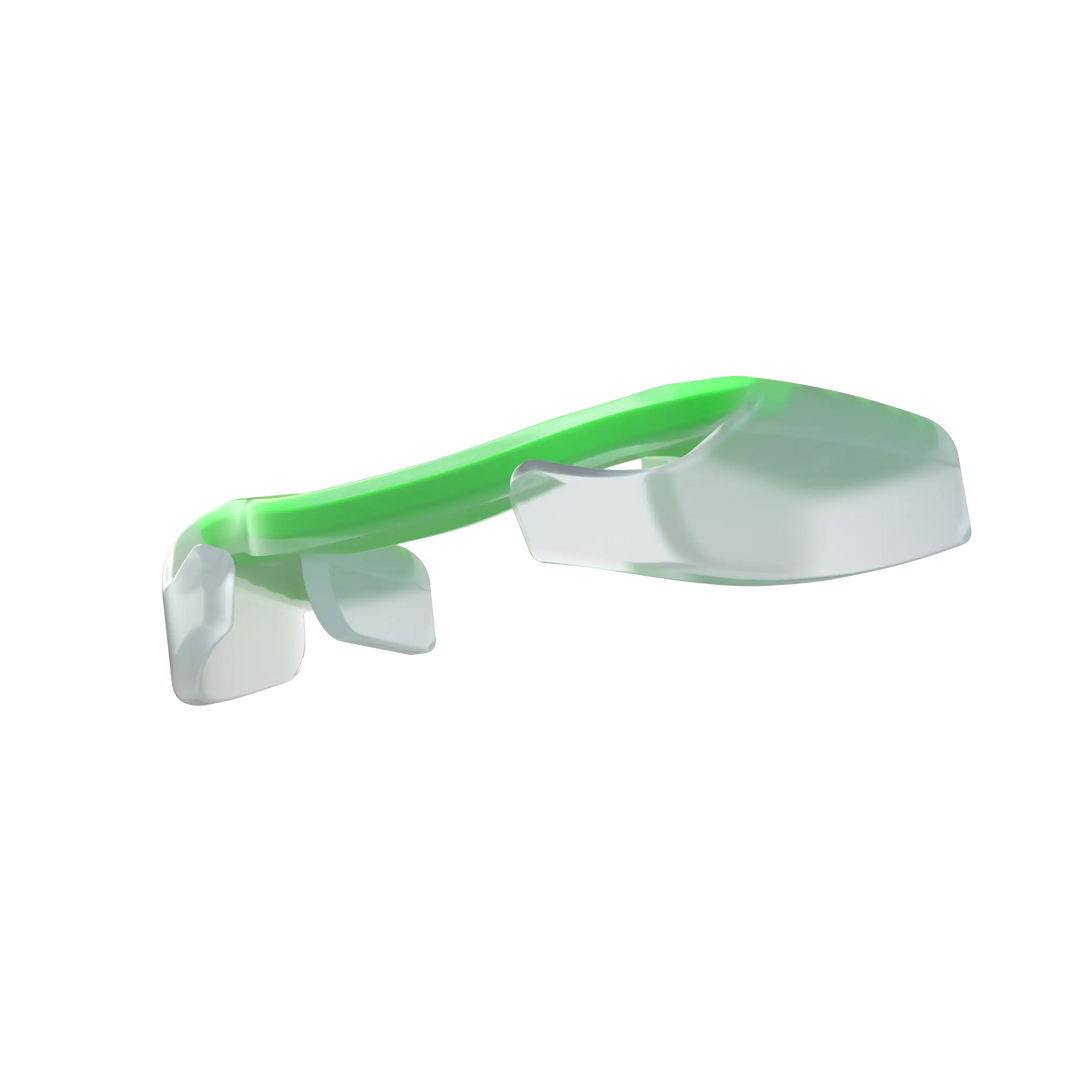
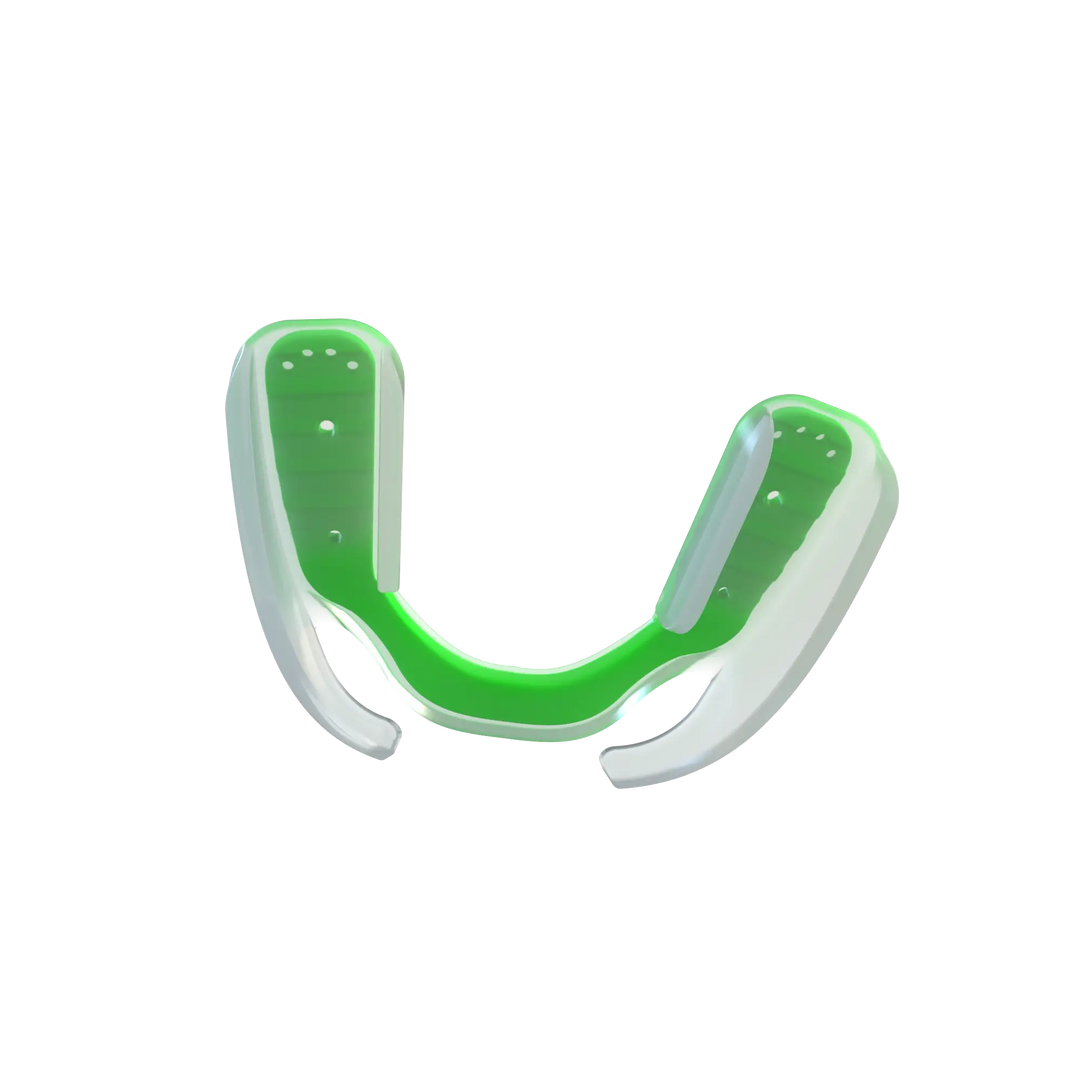
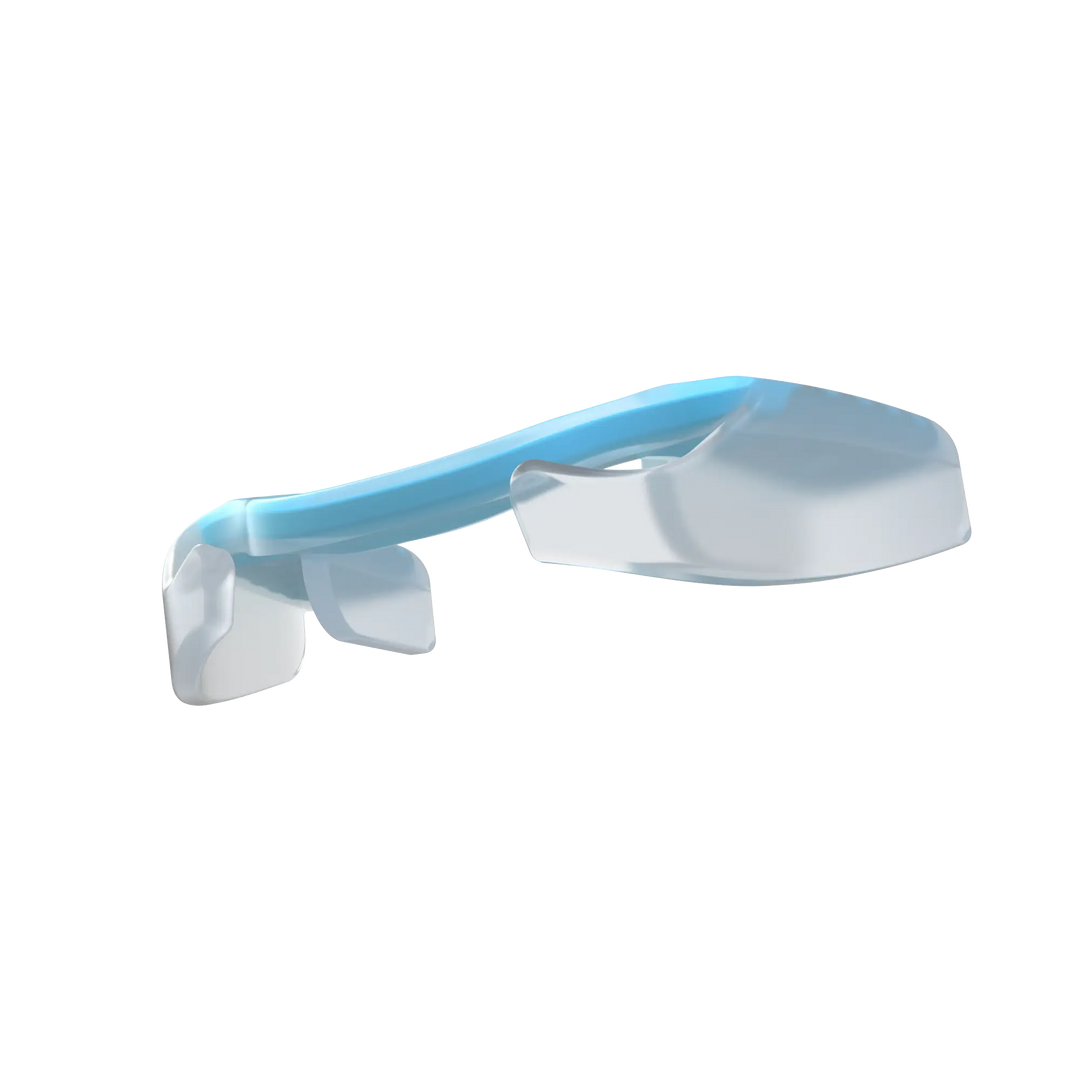
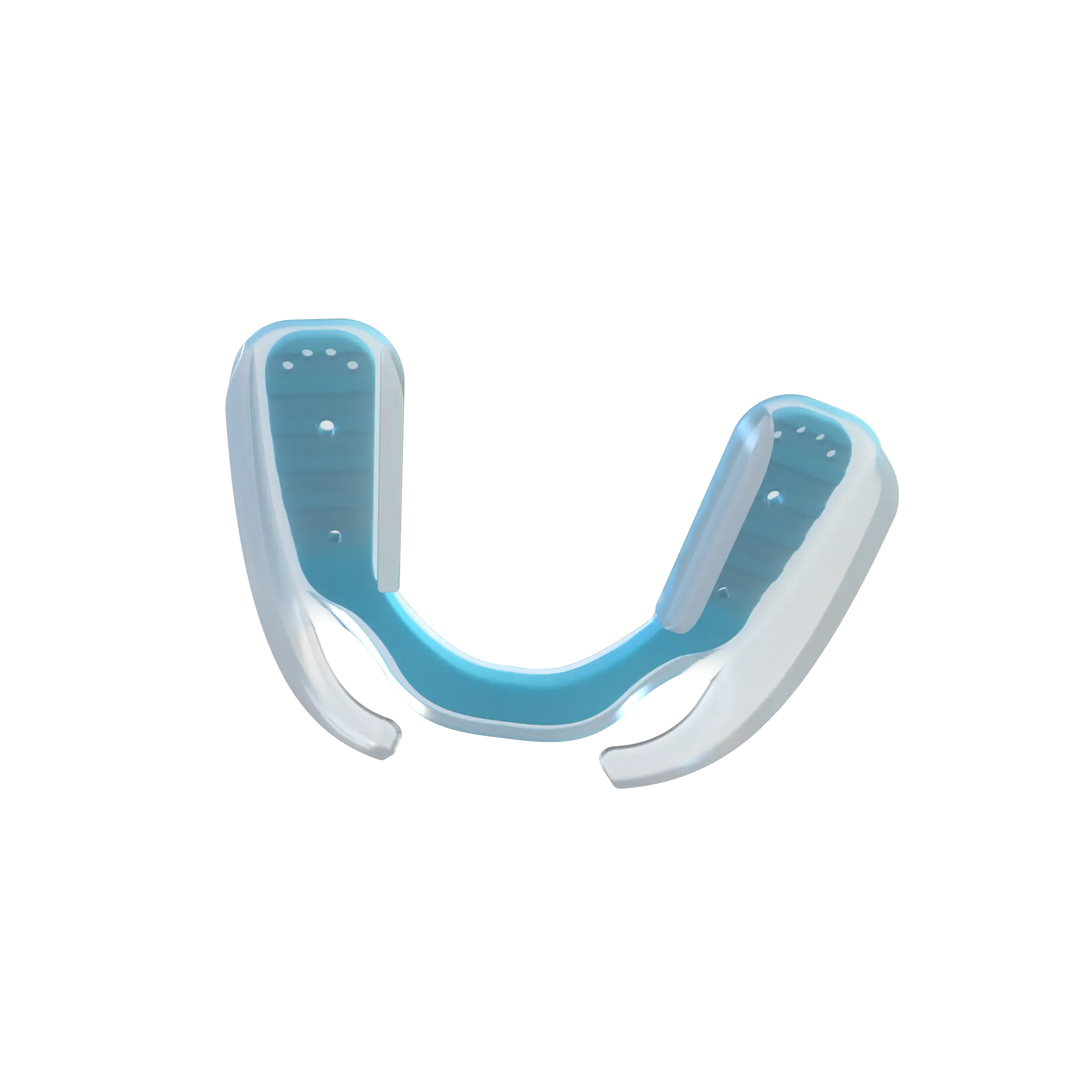
Every part of the AIRWAAV PX1 is designed to do two things: open your airway so you breathe more efficiently, and give you a stable surface to clench into for more force under load.
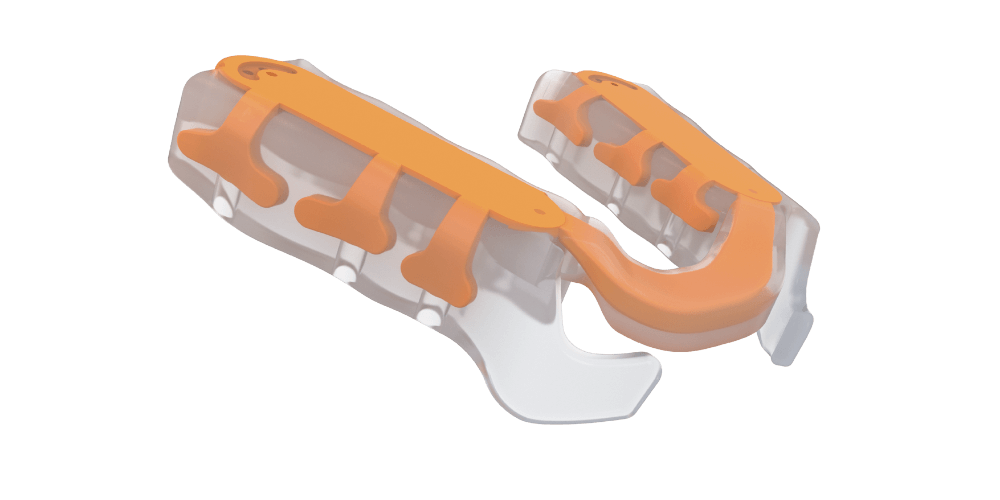
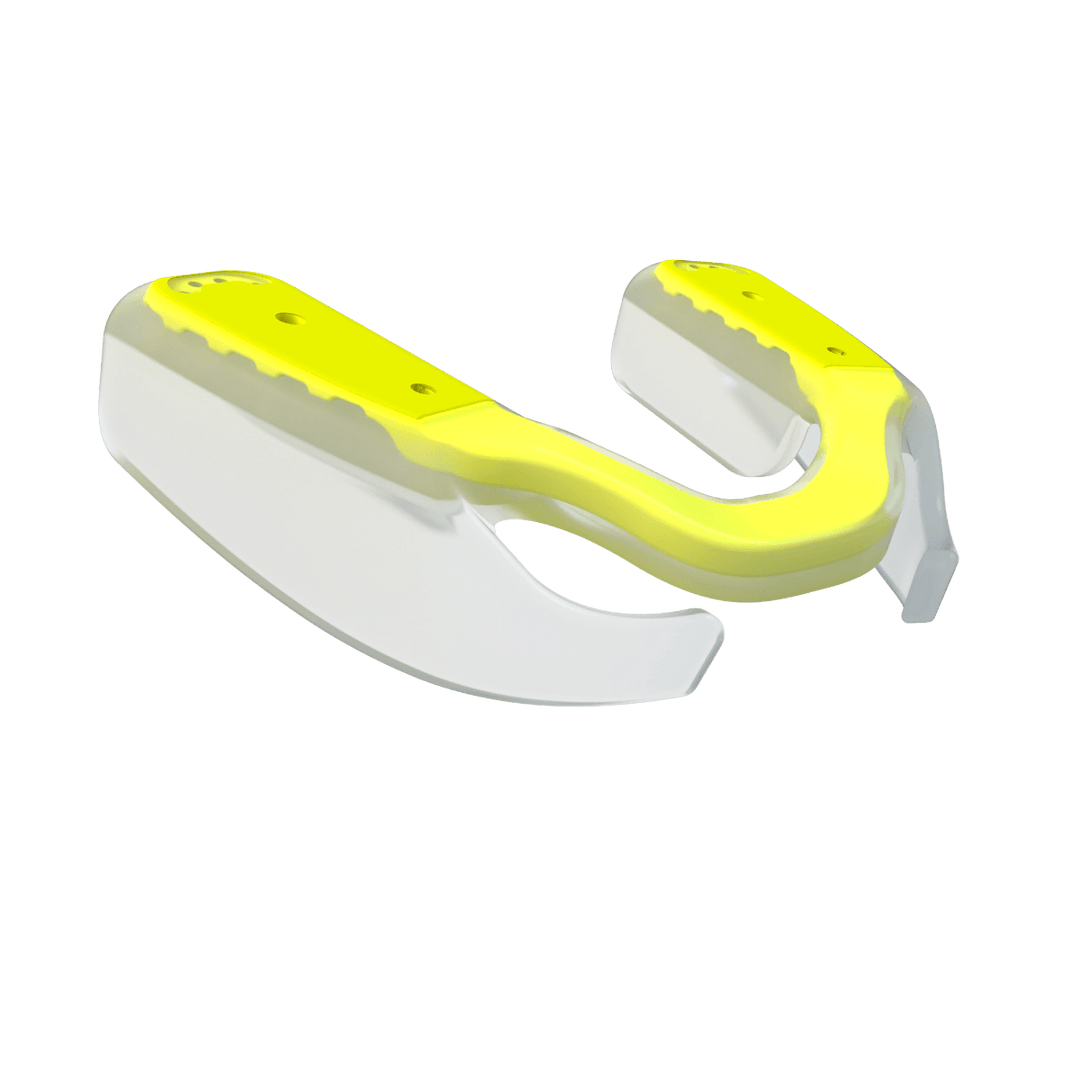
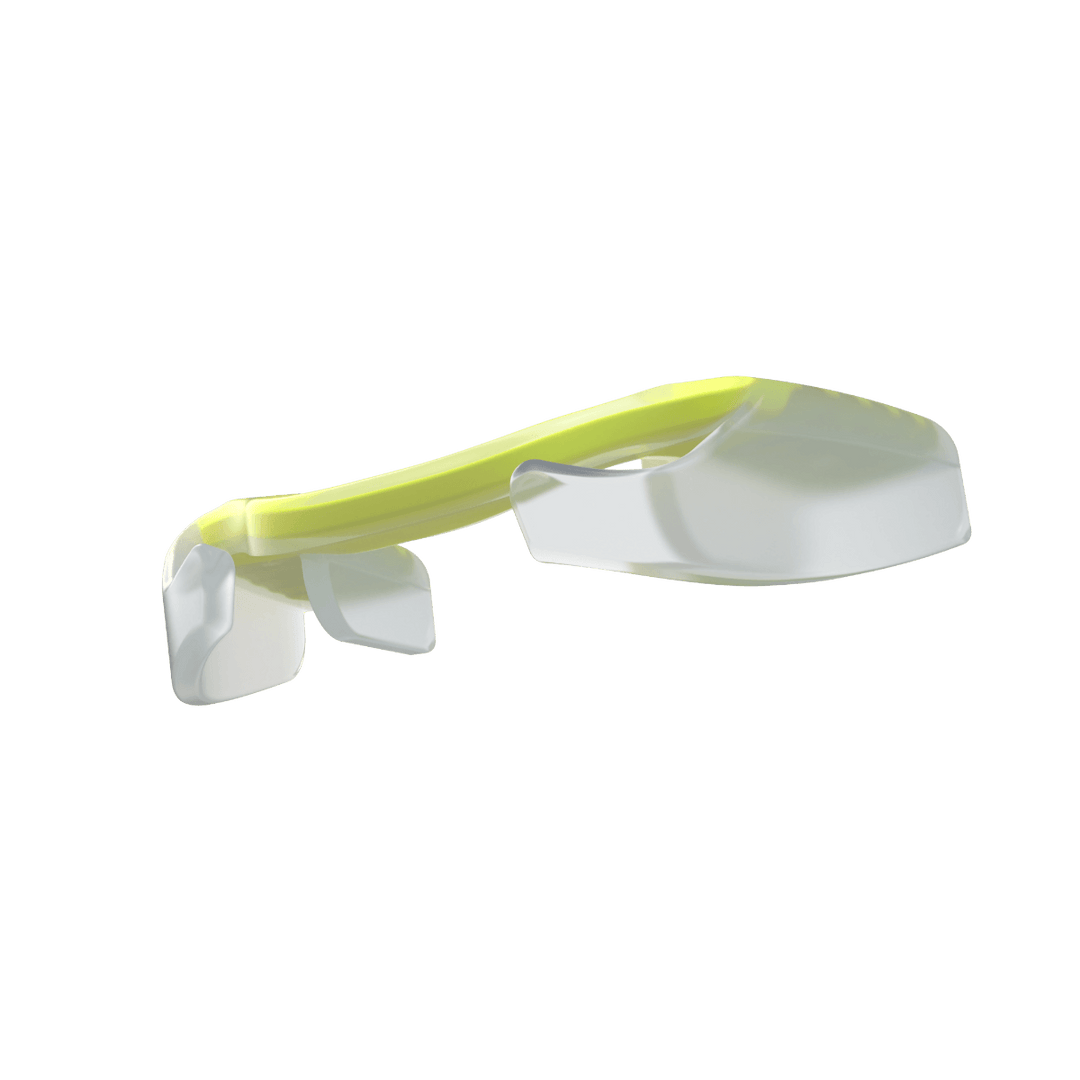
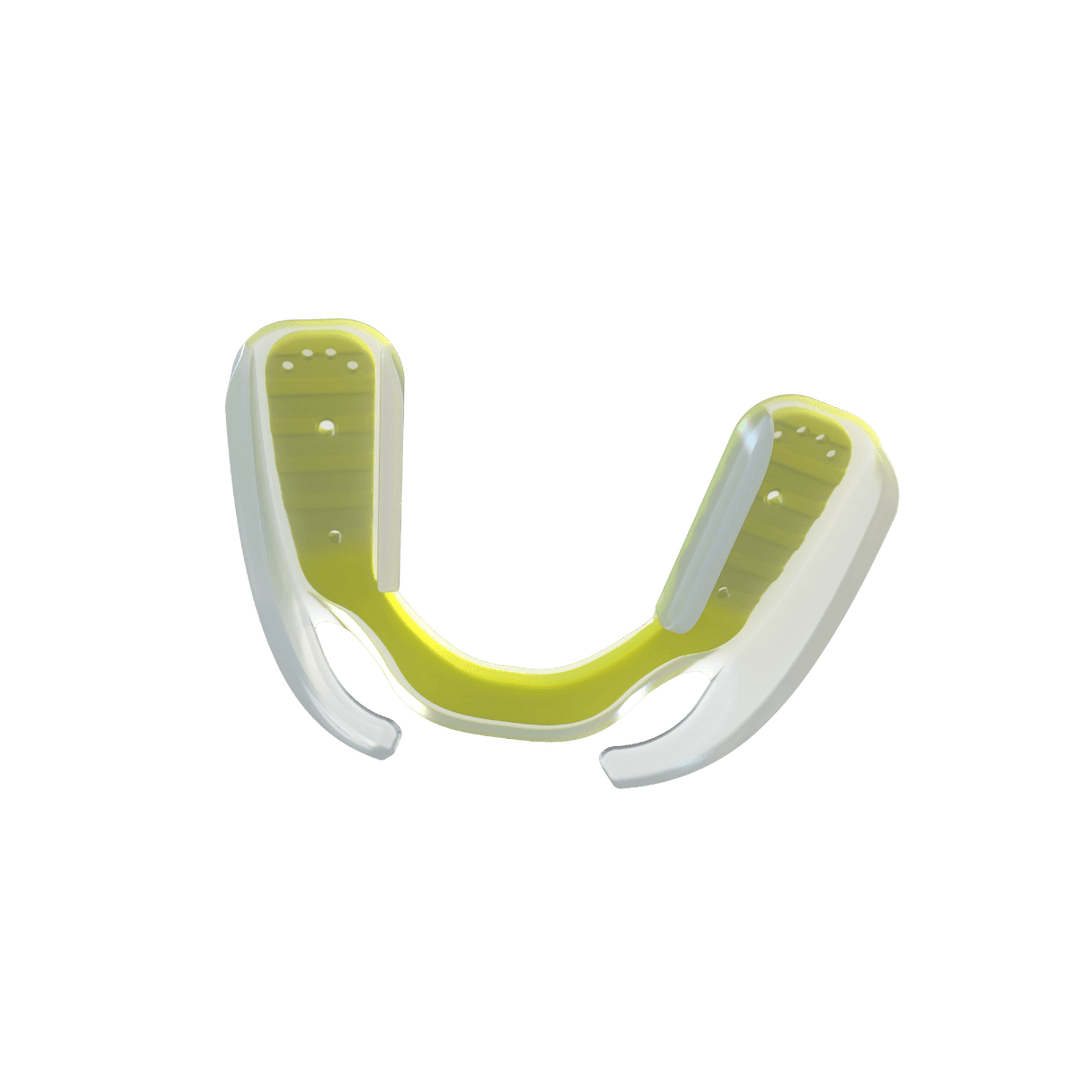
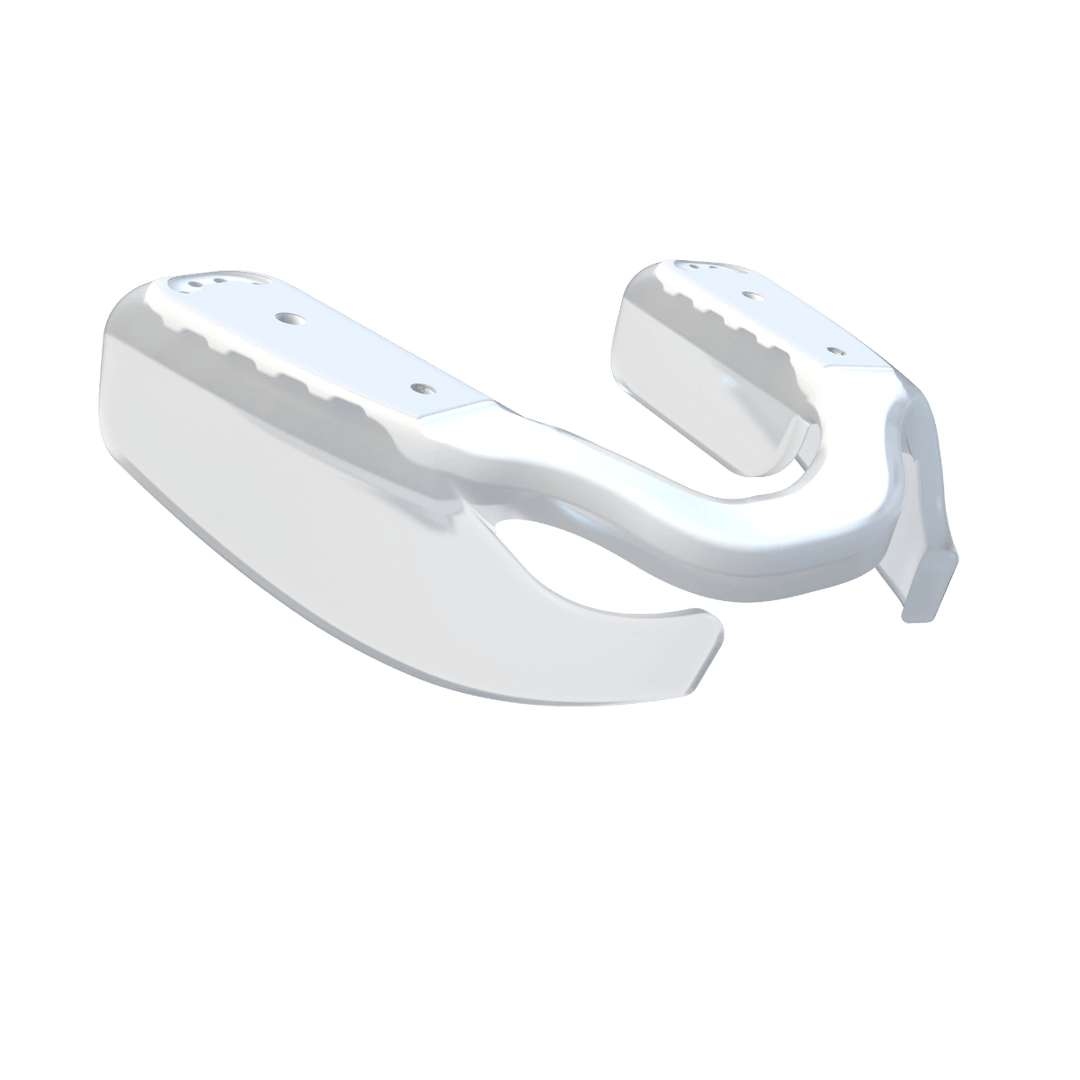
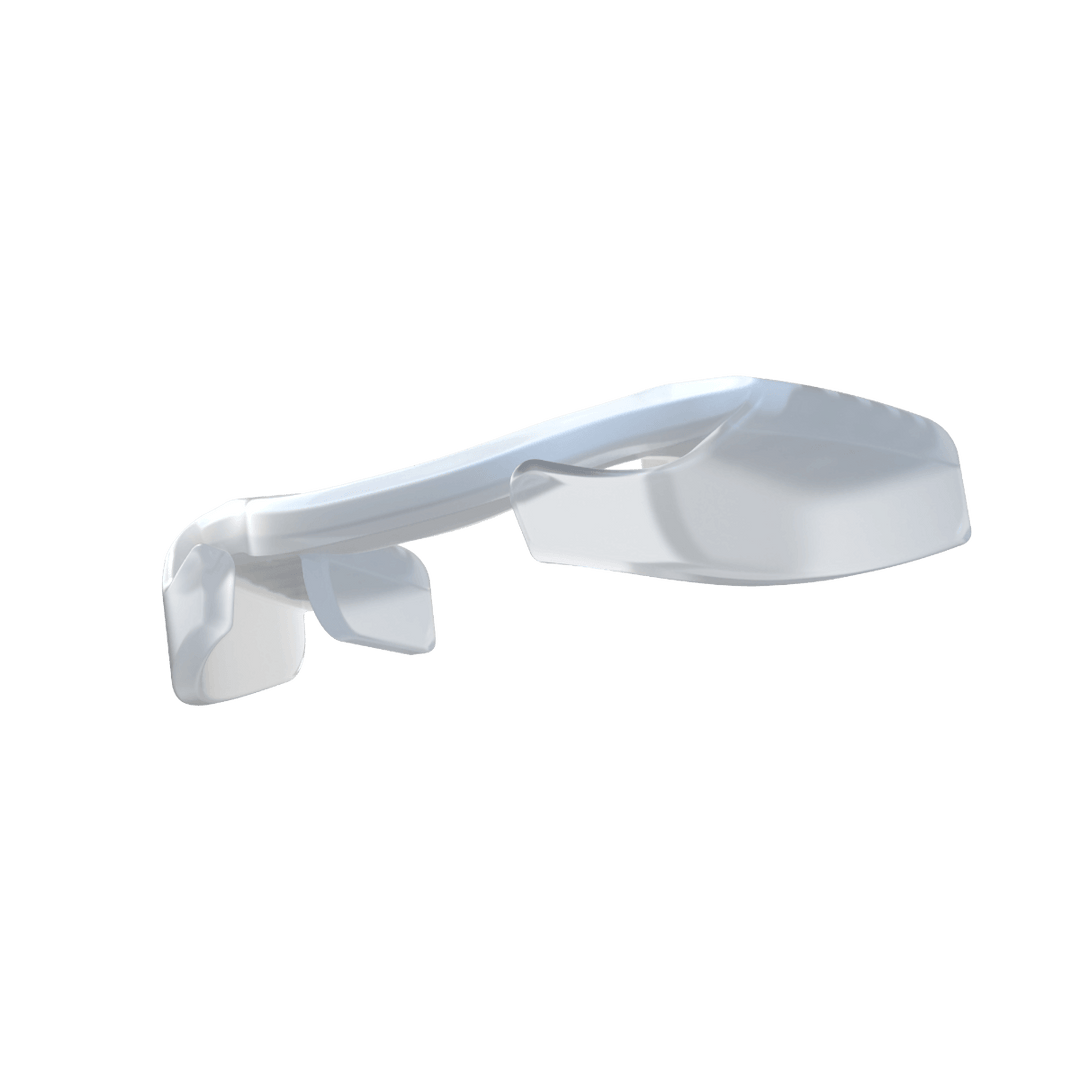
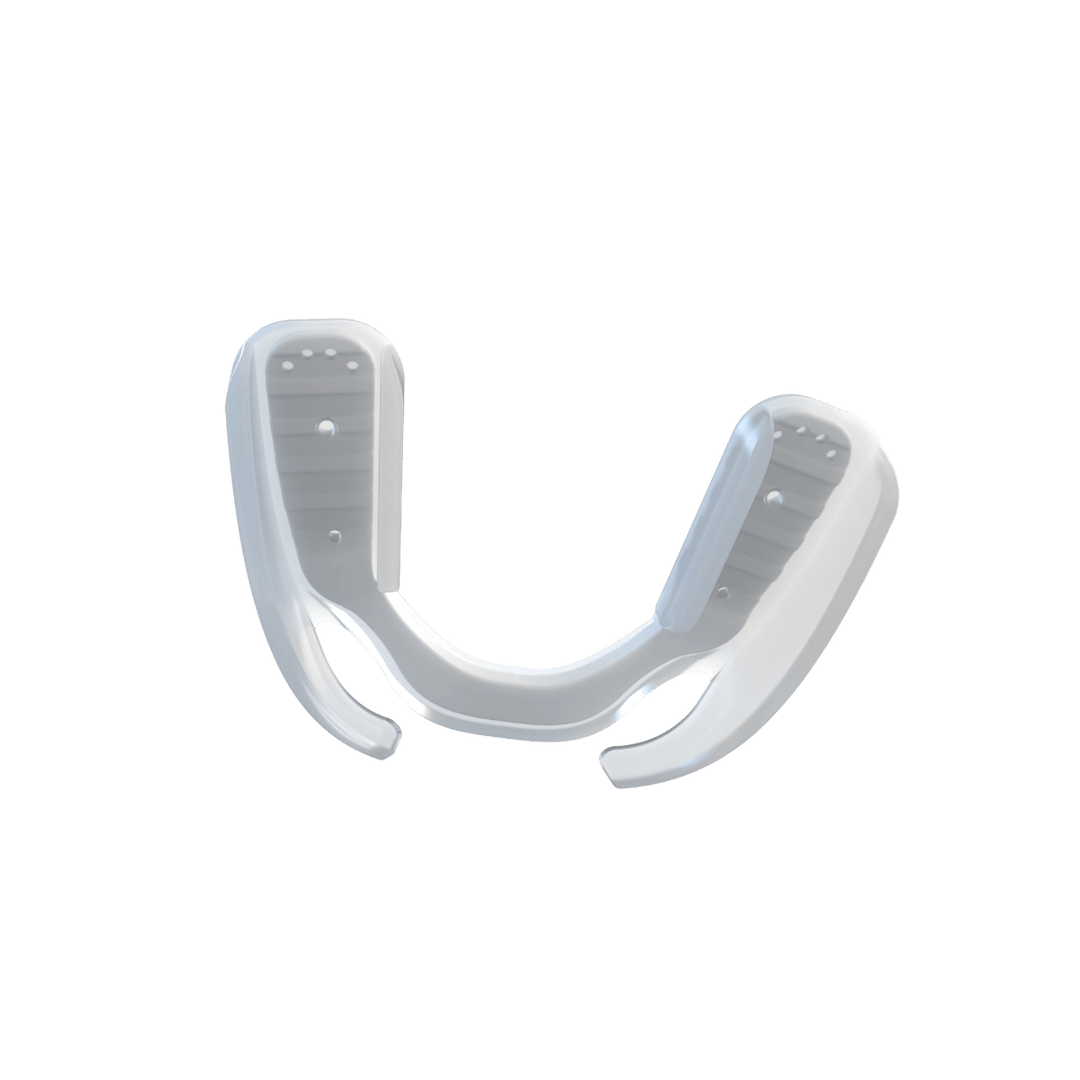
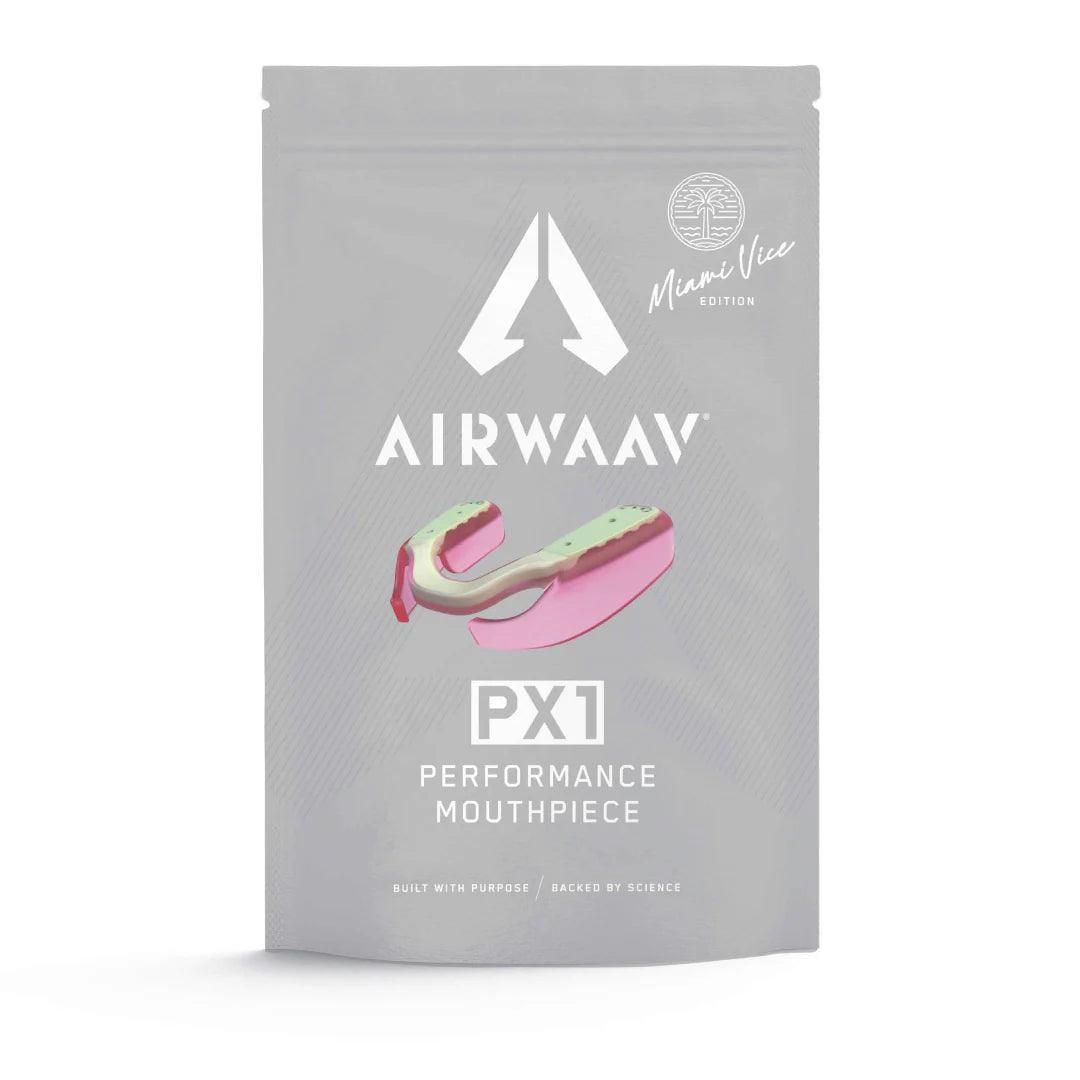
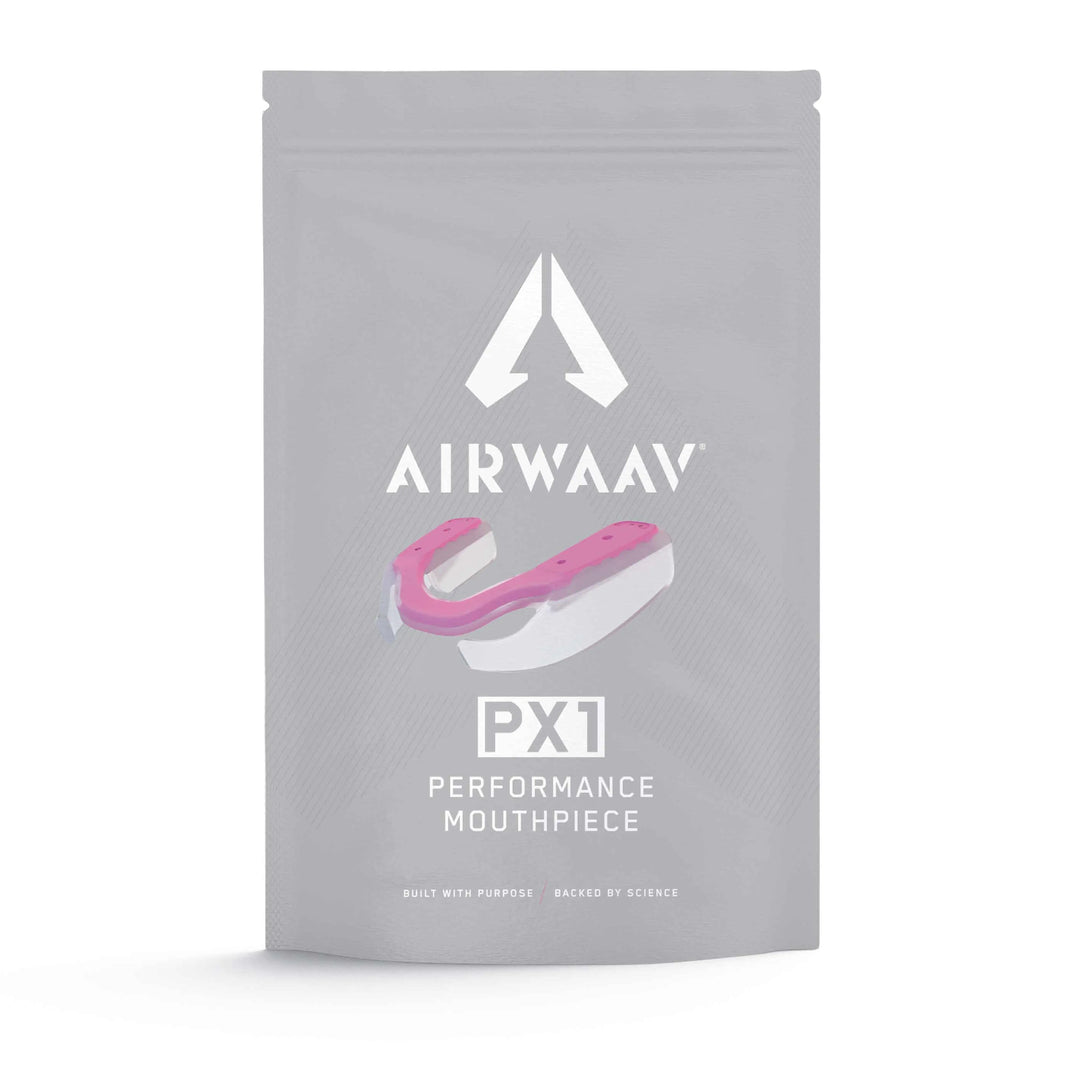
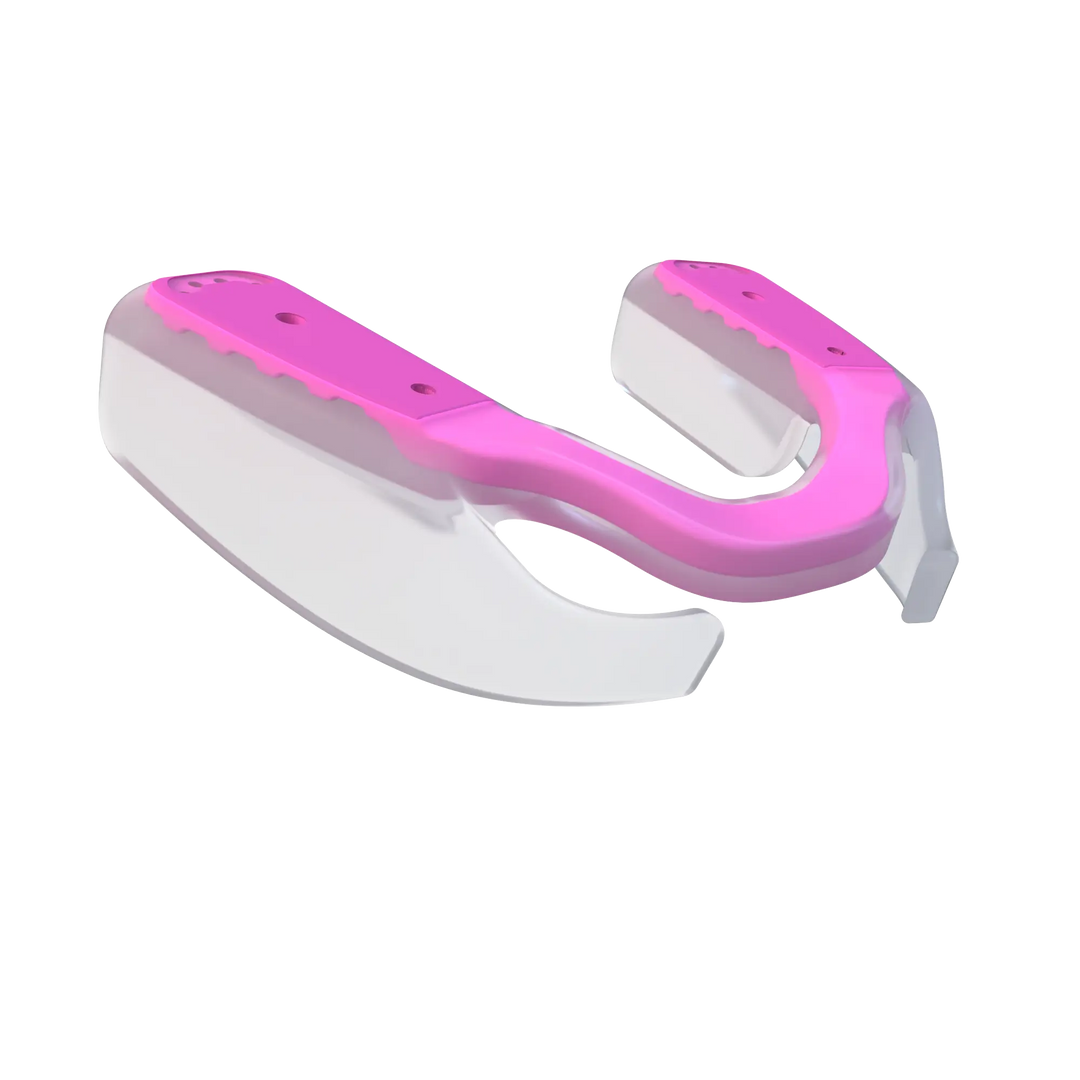
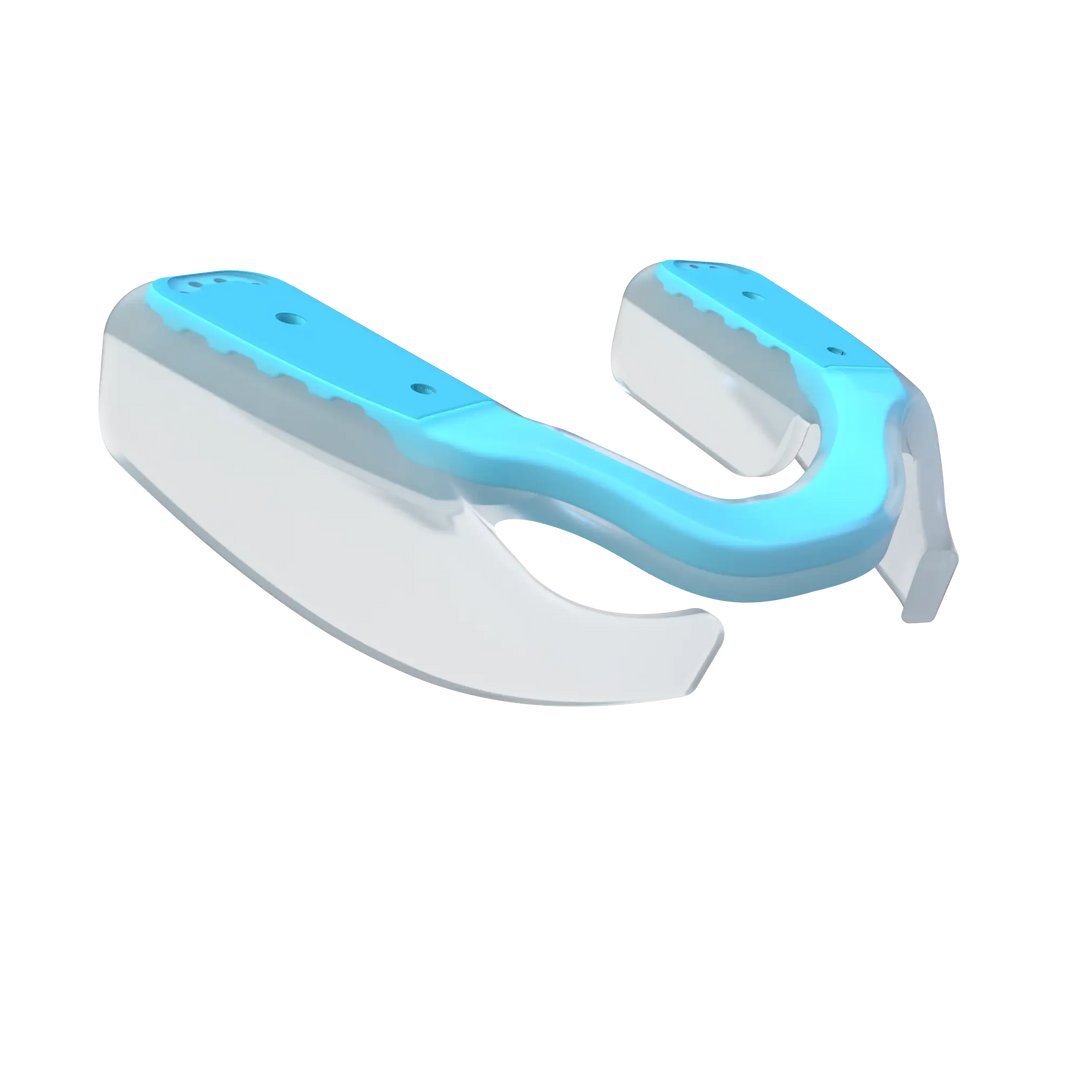
It sits low on your bottom teeth and stays out of the way. The patented bite plate absorbs clenching, the intake bar guides your tongue down and forward to open your airway, and the unique forming material contracts after molding for a fit that locks to your teeth.
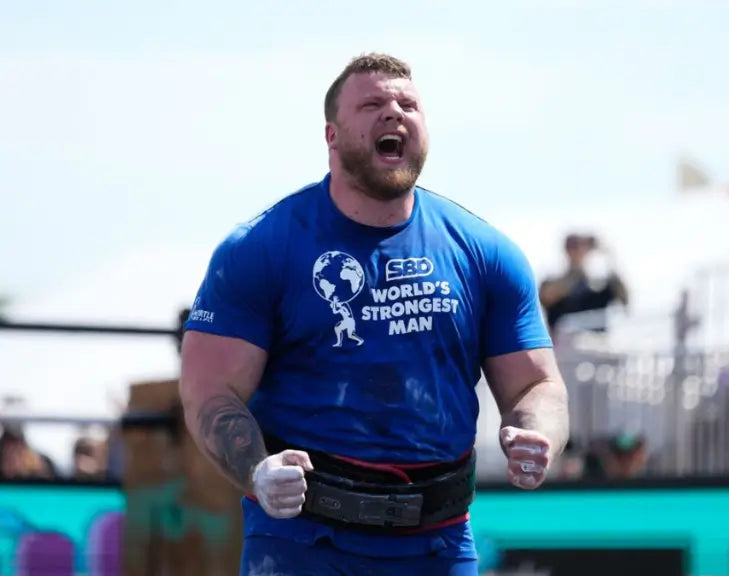
Increase Strength
Bite down on AIRWAAV and your nervous system fires harder. The patented bite plate gives you full tooth contact to clench into, which accelerates your neuromuscular response and recruits more muscle across your whole body. The result: more force, a tighter brace, and power you couldn't reach with your jaw relaxed.
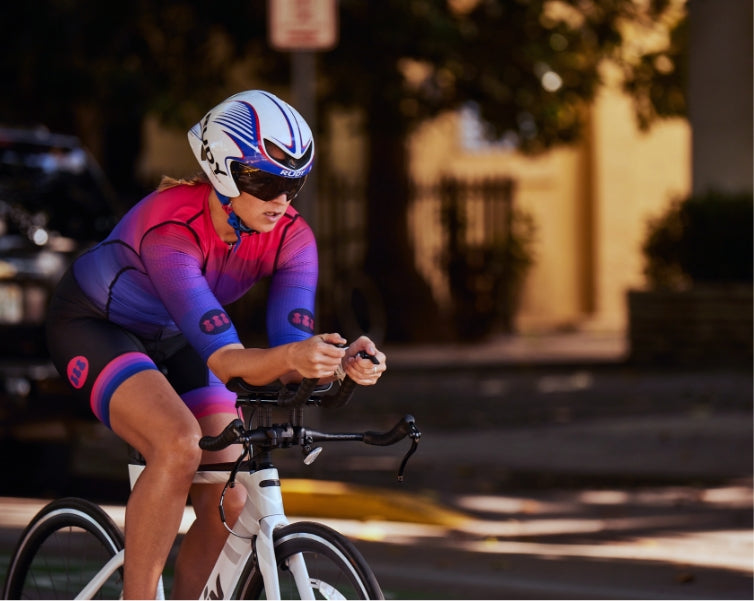
Increase Endurance
Clench down and guide your tongue forward under the intake bar, and your airway opens. That drops your respiratory rate by up to 20%, so you take in air more efficiently — lowering lactic acid buildup and perceived exertion, and letting you hold a higher intensity for longer before you redline.
Faster Recovery
Hard training spikes cortisol, the stress hormone that slows your body's recovery. In a peer-reviewed study, AIRWAAV reduced post-exercise cortisol by up to 50% — pointing to a lower stress response, so you bounce back faster and come into your next session fresher.
Improve Mobility
When you clench on AIRWAAV, the surrounding muscles relax and tension drops — which can free up rotation through your neck, shoulders, hips, and trunk. For sports built on a rotational movement, like a swing or throw, that added range and fluidity is a real edge.
It’s scientifically proven to work, and it has worked with many high-level athletes with my story being a testimony. It’s one of the tools I used to bridge the gap from being a semifinals athlete to a CrossFit Games athlete.
James Sprague
2024 Fittest Man on Earth
How to Use Airwaav
1. Begin by placing the AIRWAAV mouthpiece onto your lower teeth. Ensure it sits comfortably and aligns correctly with your dental structure. Next, gently bite down on the mouthpiece. This clenching action is crucial as it positions your jaw in an optimal manner, enhancing the neuromuscular response necessary for the mouthpiece’s effectiveness
2. While maintaining the clench, position your tongue down and forward, resting it underneath the intake bar. The tongue’s placement, combined with its contact with the material inside your molars, prompts the tongue to flex. This flexing action plays a pivotal role in opening your airway more effectively, thereby improving oxygen (O2) and carbon dioxide (CO2) exchange during intense physical activity.
1. Begin by placing the AIRWAAV mouthpiece onto your lower teeth. Ensure it sits comfortably and aligns correctly with your dental structure. Next, gently bite down on the mouthpiece. This clenching action is crucial as it positions your jaw in an optimal manner, enhancing the neuromuscular response necessary for the mouthpiece’s effectiveness.
2. While maintaining the clench, position your tongue down and forward, resting it underneath the intake bar. The tongue’s placement, combined with its contact with the material inside your molars, prompts the tongue to flex. This flexing action plays a pivotal role in opening your airway more effectively, thereby improving oxygen (O2) and carbon dioxide (CO2) exchange during intense physical activity.
Peer-Reviewed Research
Oral Appliances and Athletic Performance
The Effects of Jaw Clenching and Mouthpiece Use on Bat Swing Velocity in Division Ii Athletes
Mouthpiece use during heavy resistance exercise affects serum, cortisol, and lactate
W.D. Dudgeon, L.A. Buchanan, A.E. Strickland, T.P. Scheett and D.P. Garner
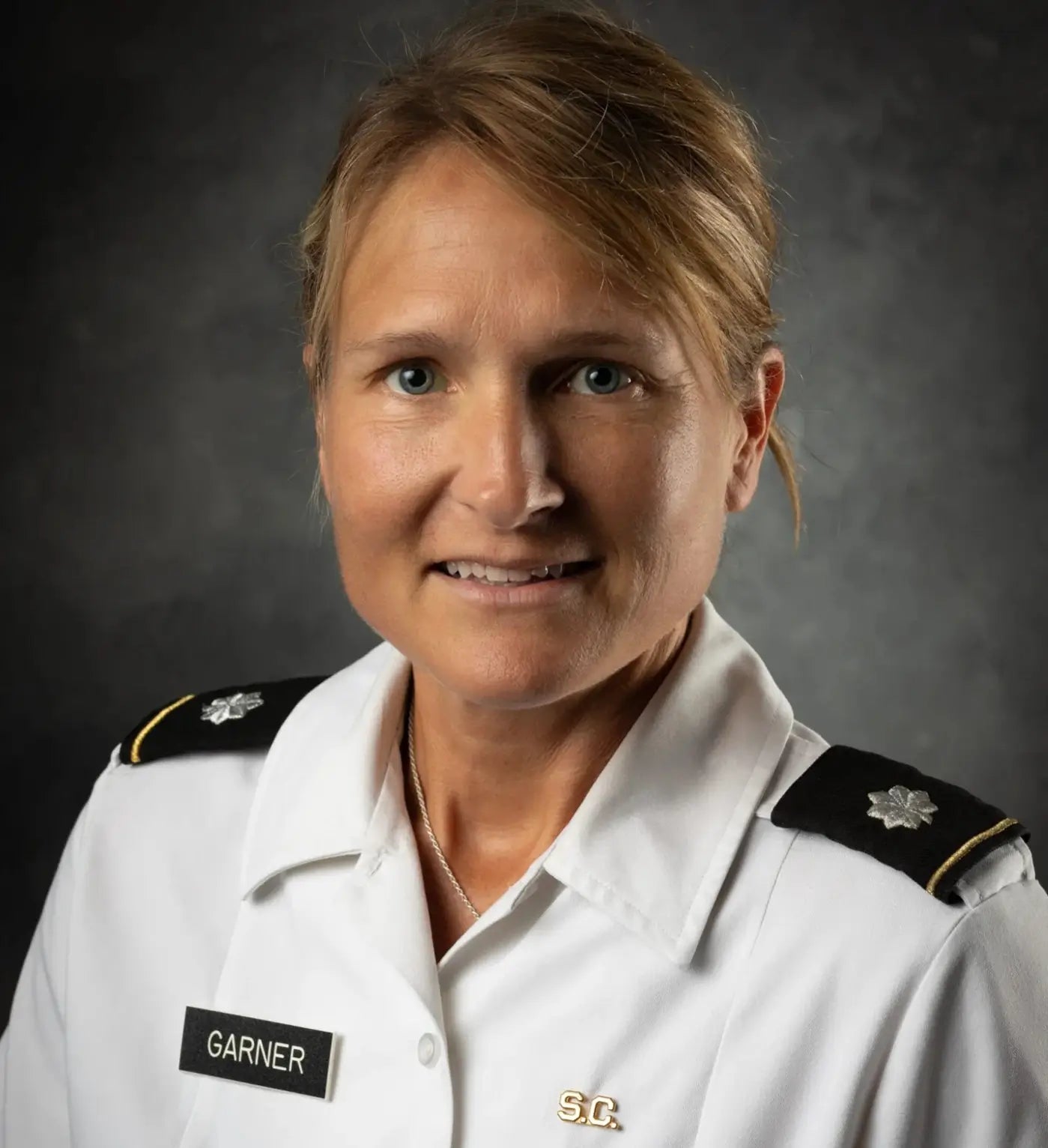
Researcher - Dr. Dena Garner
Every AIRWAAV product is built on the research of Dr. Dena Garner, who's spent more than 15 years studying how mouthpiece use affects strength, breathing, and athletic performance.
She's a professor of Health & Human Performance and Assistant Provost for Research at The Citadel, with a PhD in exercise physiology from Oregon State and a post-doctoral fellowship in neurology at the Medical University of South Carolina.
Her peer-reviewed work is the foundation the AIRWAAV Performance Mouthpiece was designed around. When you train with it, you're using a product built on years of published research.