


You wake up, grab your phone, and check your sleep score before your feet hit the floor. But how close is that score to what a real sleep lab would see?
In this blog, you'll learn how accurate wearable sleep tracking really is, what WHOOP and Oura measure well, where they're less precise, and how to turn your sleep data into better sleep.
How Accurate Are WHOOP and Oura?
Short answer: accurate enough to be genuinely useful, as long as you know what they do best.
In studies that compare them with lab sleep tests, both are strong at telling sleep from wake and at tracking total sleep time. Overnight heart rate, HRV and breathing rate also tend to line up well. Sleep stages are where they're less exact. Very brief wake-ups called micro-arousals are something they can't really see at all.
How a Sleep Lab Measures Sleep vs. How a Wearable Does
The difference comes down to what each one can actually sense.
|
What's measured |
Sleep lab |
WHOOP and Oura |
|---|---|---|
|
Brain waves |
Yes |
No |
|
Eye and muscle activity |
Yes |
No |
|
Heart rate and HRV |
Yes |
Yes |
|
Breathing |
Airflow and breathing effort, plus blood oxygen |
Breathing rate and blood oxygen estimates |
|
Movement |
Yes |
Yes |
|
How often |
One night, in a lab |
Every night, at home |
A sleep lab is the gold standard because it reads your brain directly. Wearables estimate your sleep from your heart, movement and other body signals instead. Think of the lab as one detailed photo and your wearable as a video of every night. Both tell you something valuable.
What Wearables Get Right
These are the numbers you can lean on most.
Total Sleep and Wake Time
Wearables are very good at knowing when you're asleep and when you're awake. That makes total sleep time and bedtime consistency some of the most trustworthy numbers in your app.
HRV and Sleep Quality
HRV, or heart rate variability, is the tiny change in timing between your heartbeats. An HRV above your normal usually means your body is relaxed and recovering. Because you're lying still at night, wearables measure it well while you sleep. Just compare it with your own baseline, not anyone else's.
Overnight Breathing Rate
Your breathing rate during sleep is another solid metric. It usually stays steady from night to night, so a change often lines up with a hard training day, a late night or a big meal. Here's more on why respiratory rate matters during sleep.
Where Wearables Are Less Precise
No tracker can do everything a sleep lab can. Here's where to read your data with a little flexibility.
Sleep Stages
Light, deep and REM sleep are defined by brain waves, and wearables can't read brain waves. They estimate your stages from signals like heart rate and movement instead. Those estimates have gotten much better, but any single night's deep sleep or REM number can be off. The weekly pattern is far more reliable than one night.
Micro Arousals During Sleep
Micro arousals are tiny wake-ups that usually last somewhere between 3 and 15 seconds. Your brain briefly shifts into a lighter state, then drops back into sleep, and you almost never remember it. They show up clearly only on brain-wave recordings, so wearables mostly miss them.
That's how you can log a full eight hours, see a decent score, and still wake up feeling tired. Lots of small interruptions can chip away at how restful a night feels.
Airway and Sleep Quality: The Part Your Tracker Can't Fix
Your wearable is great at keeping score. Changing the score comes down to what happens while you sleep, and your airway is a big part of that.
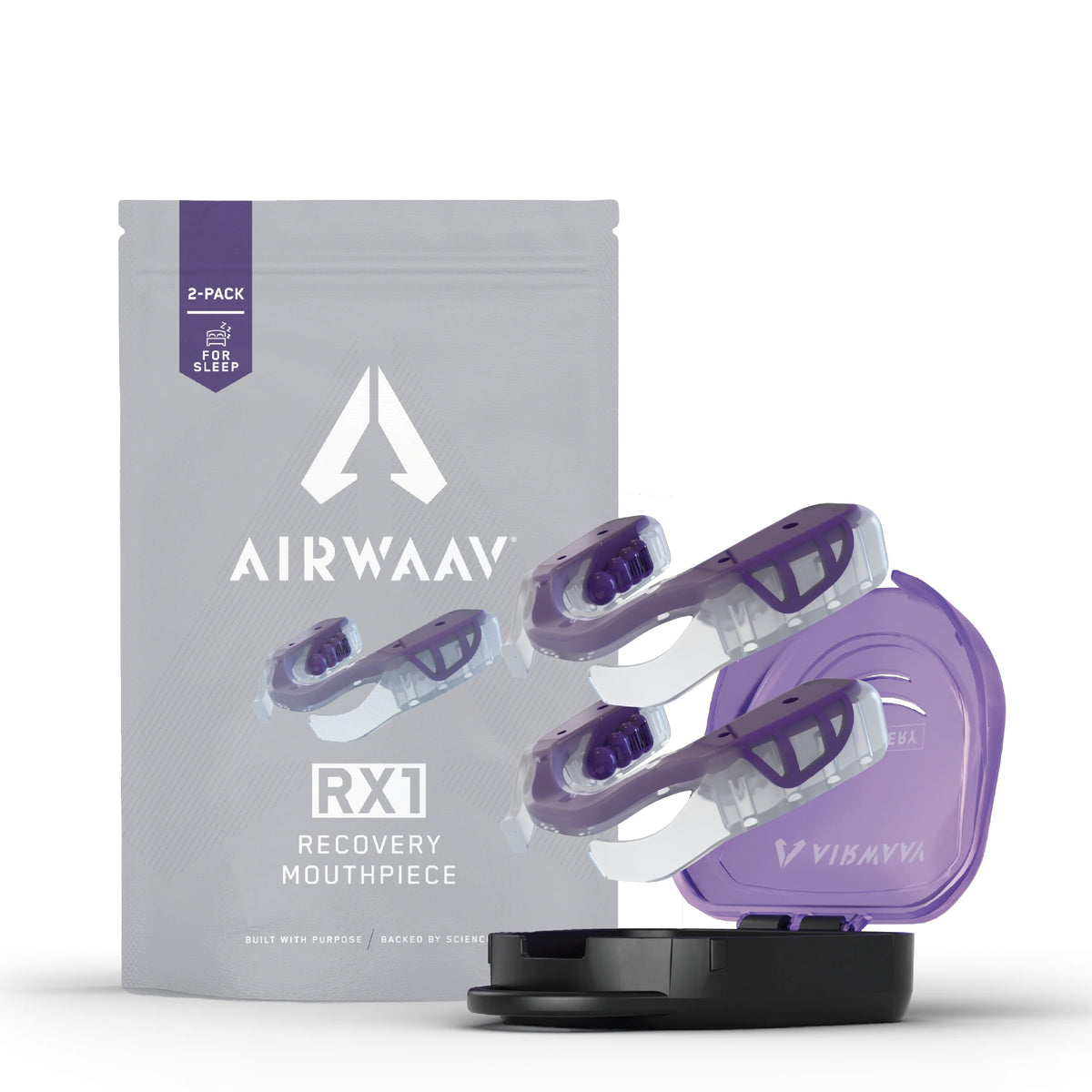
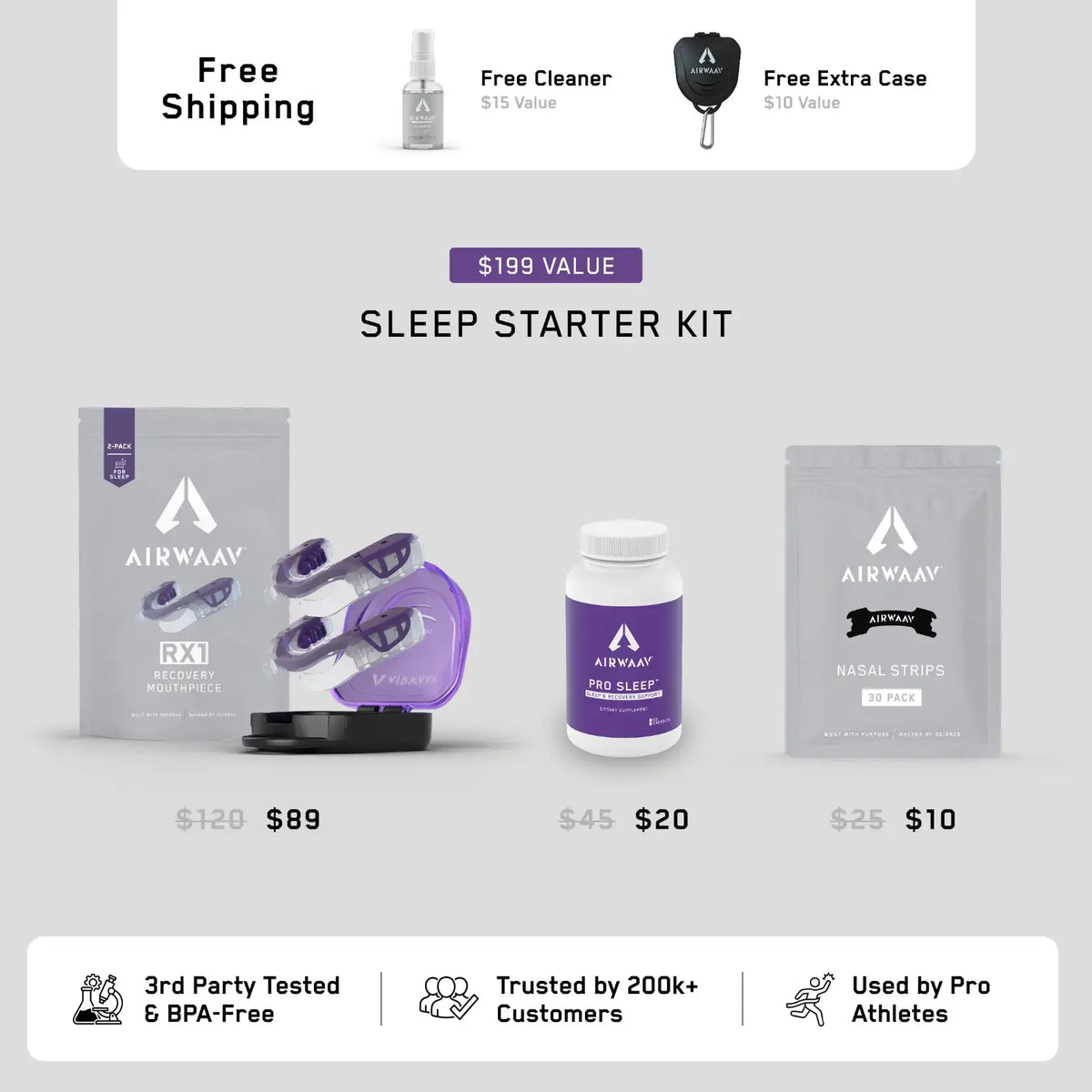
When air flows easily, your night tends to run more smoothly. The AIRWAAV RX1 Recovery Mouthpiece is built for exactly that. Its patented Reflex Technology™ uses small Reflex Bumps that contact the base of your tongue and trigger a subconscious reflex that moves it forward. That clears your airway without jaw repositioning, for fewer disruptions, deeper restorative sleep and better morning energy.
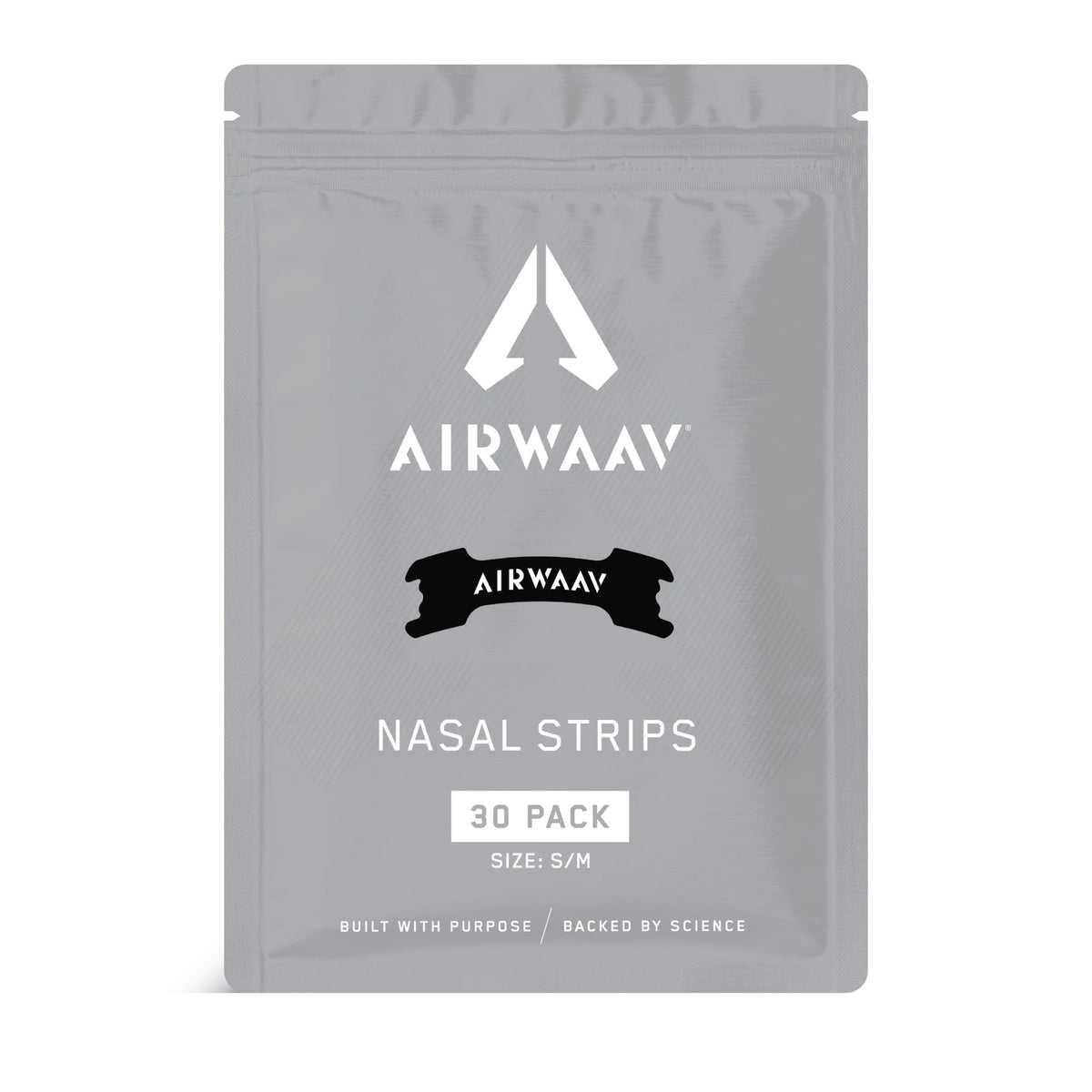
RX1 has a heat-moldable custom fit, and it pairs well with Nasal Strips, whose adhesive holds through 8–10 hours of wear. From there, your wearable becomes a handy way to watch how your nights trend.
How to Get the Most From Your Sleep Tracker
A few simple habits make your data far more useful:
-
Watch trends, not single nights: Weekly averages tell a truer story.
-
Compare with yourself: Your normal HRV and sleep time are the only baseline that matters.
-
Wear it every night: Consistent data makes patterns easier to spot.
-
Log your habits: Late training, alcohol, caffeine and screen time all show up in your scores.
-
Check how you feel: Your morning energy is still one of the best sleep metrics there is.
Used this way, your tracker becomes a feedback loop that shows you which habits help you sleep better.
FAQs
Is WHOOP or Oura more accurate for sleep?
Both perform well for sleep and wake time, and results vary by metric and device generation. The best tracker is the one you'll wear comfortably every night.
Can a wearable detect micro arousals?
Not reliably. Micro arousals show up on brain-wave recordings, and wearables don't record brain waves.
Why does my tracker say I slept well when I feel tired?
Your tracker can miss short interruptions like micro-arousals, and its stage estimates aren't perfect. Trust how you feel, and take a closer look at your evening habits and your breathing at night.
Can a sleep tracker replace a sleep study?
No. A wearable is a great everyday tool, but if you have concerns about your sleep, talk to your doctor.
Sleep Better, Not Just Track Better, With AIRWAAV
So, how accurate is wearable sleep tracking? Accurate enough to guide you, especially for sleep time, HRV and breathing rate, as long as you focus on trends over single nights.
Wearables are less precise with sleep stages, and they can't see micro-arousals. The real win comes from pairing good data with habits that support easier breathing and deeper rest.
Ready to work on the night behind the number? Shop AIRWAAV Sleep and Recovery.