


Swim at 6 a.m., ride at lunch, run first thing tomorrow. Triathlon training stacks up fast, and the gaps between sessions are where your body actually gets fitter. Train hard without recovering well, and the work doesn't stick.
In this blog, you'll get practical triathlon recovery tips for the first hour after training, between same-day sessions, overnight, and across your training week.
Why Recovery Is Triathlon's Fourth Discipline
Every session breaks your body down a little. Recovery is when it rebuilds, stronger than before. With three sports to train, triathletes have less downtime than most athletes, so every gap between sessions counts.
The good news is that most recovery comes down to four habits: refuel quickly, move easy, sleep deep, and plan your week with recovery built in.
Right After Training: Make the First Hour Count
The hour after a session is your first chance to kick-start recovery. Keep it simple:
-
Refuel: Eat carbs and protein together, like a smoothie, yogurt with fruit, or a sandwich.
-
Rehydrate: Replace what you sweated out, and add electrolytes after long or hot sessions.
-
Cool down: A few minutes of easy spinning, jogging or walking helps your body shift gears.
-
Get dry: Swap out of wet kit quickly, especially after a swim.
Recovery can even start before the session ends. The AIRWAAV Performance Mouthpiece is built around three benefits:
-
Breathe better to endure longer
-
Clench stronger to perform better
-
Stay calm to recover faster
That last one matters most here. On hard bike and run days, it reduces post-exercise cortisol by up to 50% (peer-reviewed). Cortisol is a stress hormone, so that gives you a head start on settling down.
Between Two Sessions on the Same Day
Two-a-days are part of triathlon life. A little planning makes the second session feel much better:
-
Go hard first, easy second: Save the lighter session for later in the day.
-
Leave a real gap: Several hours between sessions gives your body time to refuel.
-
Eat a proper meal: Your second session runs on what you eat in between, so make it more than a bar.
-
Use swimming wisely: Easy swims are low-impact, so they slot in nicely after a hard run or ride.
-
Put your feet up: A short nap or some time off your feet helps more than you'd think.
If the second session still feels flat, make it shorter or easier. That's smart training, not skipping.
Tonight: Sleep Optimization for Performance
Sleep is the most powerful recovery tool you have, and it's free. Here's how to get more out of every night:
How Deep Sleep Drives Muscle Recovery
Deep sleep is when your body does its heaviest repair work. Your body releases much of its growth hormone in this stage, and that helps rebuild the muscle you broke down in training. Most deep sleep happens in the first half of the night, so protecting your first few hours of sleep matters a lot.
Simple Habits for Deeper Sleep
A few small habits go a long way:
-
Go to bed and wake up at about the same time every day.
-
Finish hard sessions a few hours before bed when your schedule allows.
-
Keep your bedroom cool, dark and quiet.
-
Have your last caffeine by early afternoon.
Your watch can tell you how you slept. What you do before bed is what changes the score.
Why Your Breathing at Night Matters
Here's something most triathletes never think about: how they breathe while they sleep. If you often wake up tired even after a full eight hours, your nighttime breathing is worth a closer look.
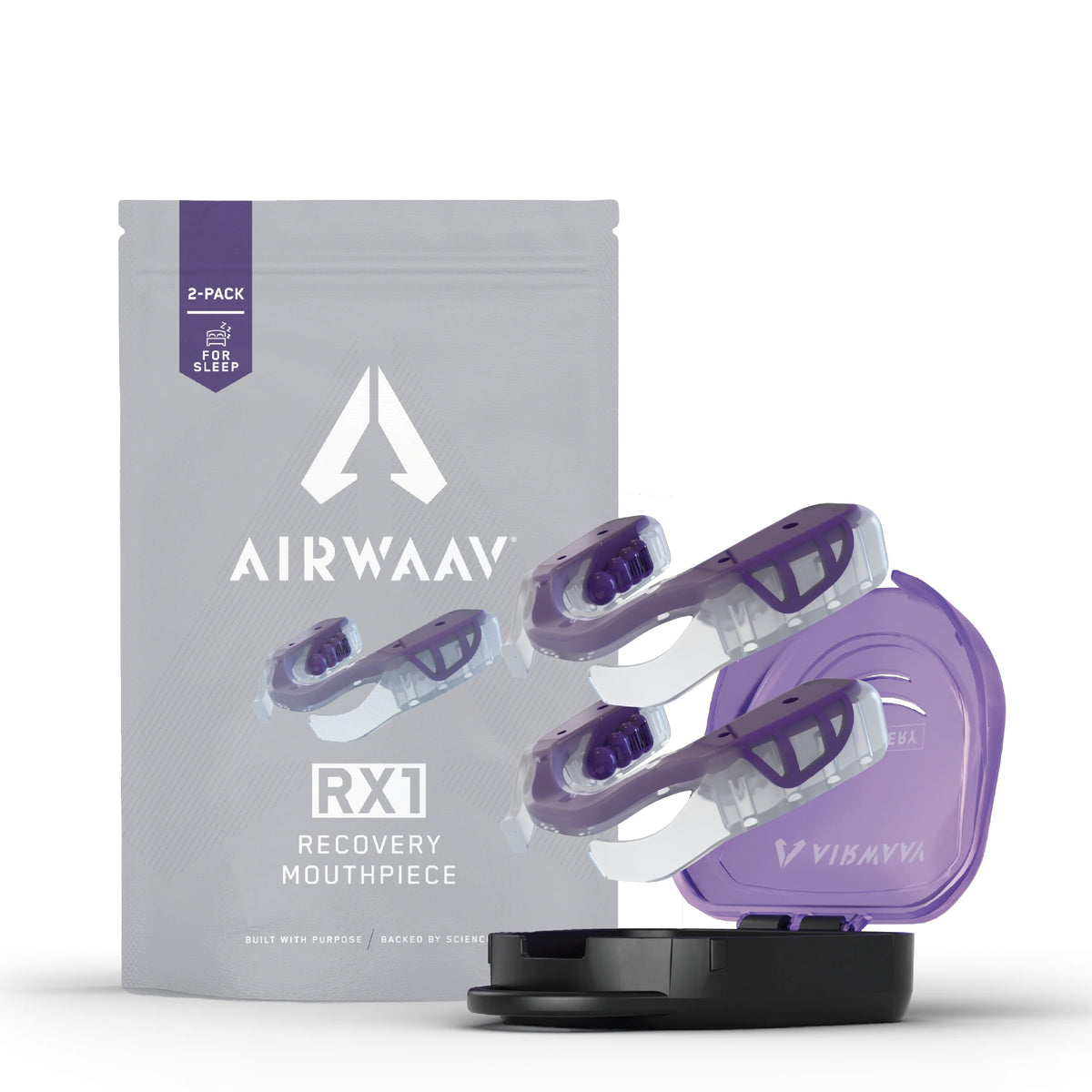
That's where a sleep mouthpiece for athletes comes in. The AIRWAAV RX1 Recovery Mouthpiece uses patented Reflex Technology™. Small Reflex Bumps contact the base of your tongue and trigger a subconscious reflex that moves it forward, clearing your airway without jaw repositioning. That means fewer disruptions, deeper restorative sleep, and better morning energy.
Most other sleep mouthpieces work by moving your jaw forward, which is the most common source of comfort complaints. RX1 doesn't. It has a heat-moldable custom fit, and each device lasts 4–6 months. The 2-pack also makes travel easy: keep one at home and one in your race bag.
Wind Down When You Feel Tired but Wired
Evening sessions can leave you exhausted but still buzzing at bedtime. A short wind-down routine helps:
-
Dim the lights and put your phone away 30 minutes before bed.
-
Do some light stretching or foam rolling.
-
Take a few slow breaths with long exhales.
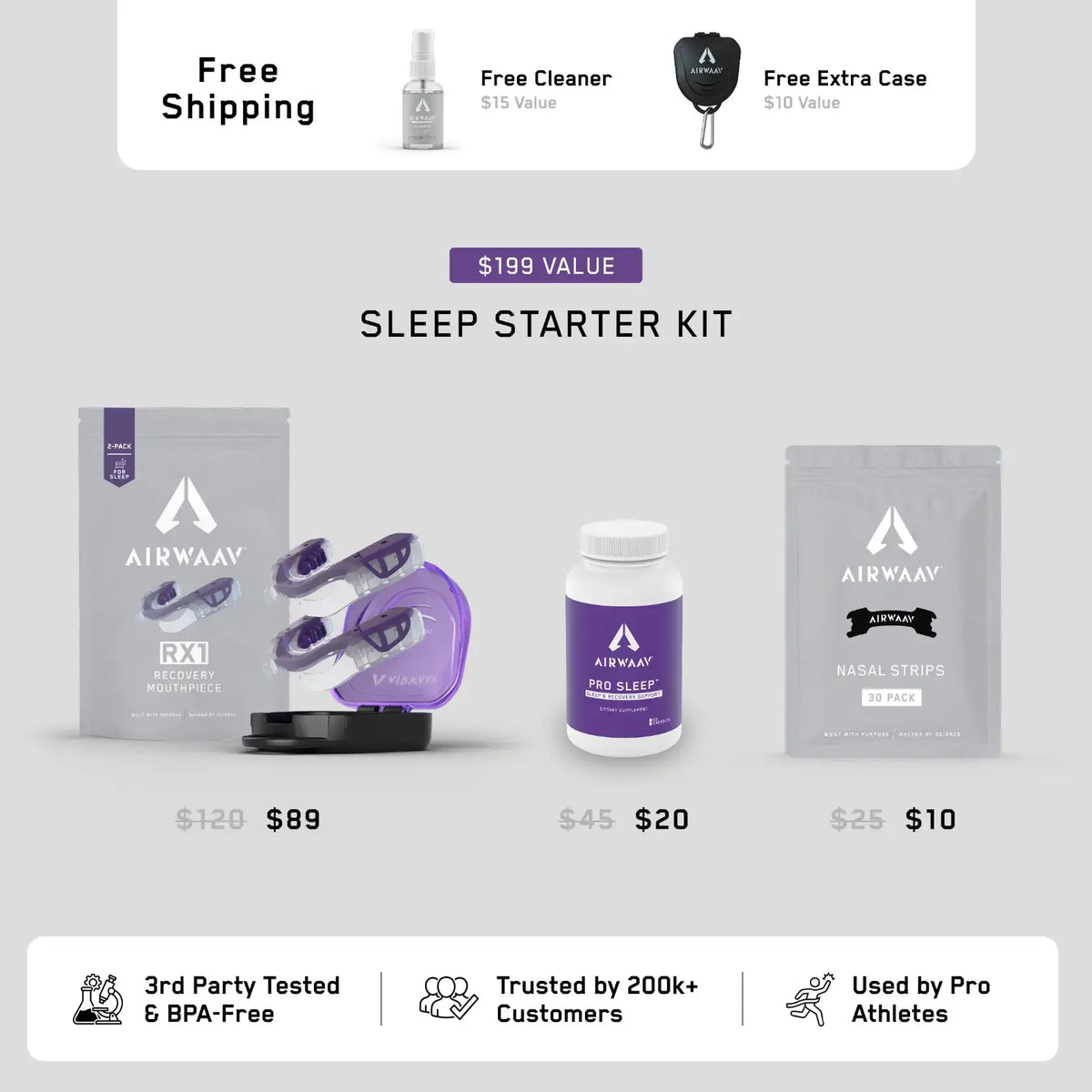
If you'd like a melatonin-free addition to your evening routine, AIRWAAV Pro Sleep is a recovery supplement (not a sleep aid). It's made with Magnesium Bisglycinate, L-Theanine, GABA, Glycine, Reishi Mushroom and NAC. RX1 works on your airway, and Pro Sleep works on the biochemistry side of recovery.

Across the Week: Build Recovery Into Your Plan
Great recovery isn't only about single days. Zoom out and plan your whole week:
-
Keep easy days easy: If you can hold a conversation, you're doing it right.
-
Take a full rest day: At least one a week gives your body a chance to catch up.
-
Plan lighter weeks: Many triathletes ease off every third or fourth week.
-
Check in with yourself: Morning energy, mood and motivation are great early signals.
When those signals dip, a little extra rest now can save you a long break later.
FAQs
How much sleep do triathletes need?
Most adults need seven to nine hours, and athletes in heavy training often feel better with more. How well you sleep matters as much as how long.
How long should you rest between hard sessions?
Try to leave a day or so between your hardest sessions, and fill the gap with easy training or rest.
Can I wear my performance mouthpiece to bed?
No. PX1 and PX2 are built for training. RX1 is the one designed for overnight wear.
Can I use my HSA or FSA?
Yes. AIRWAAV is HSA/FSA eligible.
Recover Smarter Between Sessions With AIRWAAV
The best triathlon recovery tips aren't complicated. Refuel within the hour, keep easy sessions easy, plan lighter weeks, and treat sleep like part of your training.
Deep, uninterrupted nights are where your swim, bike and run fitness really comes together. If you'd like your whole nighttime routine covered in one go, the Sleep Starter Kit brings everything together in one box.
Ready to make every night count? Shop the Sleep Starter Kit.